


AT-TAWWAB
AT-TAWWAB stands as a beacon of hope for every believer in the vast ocean of Allah’s beautiful names. This divine attribute, mentioned repeatedly in the Quran, opens doors of mercy that might otherwise seem closed to those who have strayed from the straight path. Understanding AT-TAWWAB deepens our connection with our Creator and provides practical guidance on how to seek forgiveness in ways that are most beloved to Him.
The Linguistic Roots and Meaning of AT-TAWWAB
The beautiful Arabic calligraphy of Allah’s name AT-TAWWAB (التواب)
AT-TAWWAB (in Arabic: التَّوَّابُ) derives from the trilateral root ta-waw-ba (ت و ب), which carries several interconnected meanings in classical Arabic:
- To return or come back
- To turn toward goodness
- To repent sincerely
- To be restored to a state of grace
- To be repeatedly summoned or called
The intensive grammatical form of AT-TAWWAB indicates not just a one-time action but a continuous, recurring attribute. Allah is not merely one who accepts repentance occasionally, but one who consistently offers forgiveness to His servants whenever they turn to Him in sincere repentance.
AT-TAWWAB encompasses a dual meaning: Allah continuously turns toward His servants with mercy, inviting them to repentance, and He repeatedly accepts their repentance when they turn back to Him.
Unlike the similar name Al-Ghafoor (The All-Forgiving), AT-TAWWAB emphasises the ongoing relationship of turning—Allah turns to us, and we turn to Him. This reciprocal movement forms the heart of the spiritual journey in Islam.
AT-TAWWAB in the Quran and Hadith
The name AT-TAWWAB appears eleven times in the Quran, often paired with Ar-Raheem (The Most Merciful), highlighting how Allah’s acceptance of repentance is intrinsically linked to His boundless mercy.
Key Quranic Verses Mentioning AT-TAWWAB
فَتَلَقَّىٰٓ ءَادَمُ مِن رَّبِّهِۦ كَلِمَٰتٖ فَتَابَ عَلَيۡهِۚ إِنَّهُۥ هُوَ ٱلتَّوَّابُ ٱلرَّحِيمُ
Fatalaqqaa Aadamu mir Rabbihee Kalimaatin fataaba ‘alaihi; innahoo Huwat Tawwaabur Raheem
“Then Adam received from his Lord [some] words, and He accepted his repentance. Indeed, it is He who is the Accepting of repentance, the Merciful.” — (Quran 2:37)
This verse recounts how Prophet Adam, after his mistake in Paradise, received words of repentance from Allah. It demonstrates that seeking forgiveness has been part of the human journey from the very beginning, and Allah’s nature as AT-TAWWAB was manifest even in this first instance of human error.
أَلَمۡ يَعۡلَمُوٓاْ أَنَّ ٱللَّهَ هُوَ يَقۡبَلُ ٱلتَّوۡبَةَ عَنۡ عِبَادِهِۦ وَيَأۡخُذُ ٱلصَّدَقَٰتِ وَأَنَّ ٱللَّهَ هُوَ ٱلتَّوَّابُ ٱلرَّحِيمُ
Alam ya’lamooo annal laaha huwa yaqbalut tawbata ‘an ibaadihee wa ya’khuzus sadaqaati wa annal laaha huwat Tawwaabur Raheem
“Do they not know that it is Allah who accepts repentance from His servants and receives charities and that it is Allah who is the Accepting of repentance, the Merciful?” — (Quran 9:104)
Illuminating Hadith on Allah's Acceptance of Repentance
The Prophet Muhammad ﷺ beautifully illustrated Allah’s joy at our repentance in this powerful hadith:
“Allah is more pleased with the repentance of His servant than a person who lost his camel in a desert land and then found it unexpectedly.” — (Sahih Muslim)
This hadith vividly describes Allah’s delight when we return to Him. Imagine the overwhelming joy of finding your only means of survival in a vast, unforgiving desert after losing hope. Allah’s happiness at our return to Him exceeds this profound relief and joy.
Deepen Your Understanding of Allah's Names
Subscribe to receive daily Quranic verses about Allah’s mercy and forgiveness directly to your inbox.
How Allah's Acceptance of Repentance Manifests in Islamic Teachings

The attribute of AT-TAWWAB manifests in Islamic teachings in several profound ways that offer hope and practical guidance for believers:
1. Allah Initiates the Process of Repentance
One of the most beautiful aspects of AT-TAWWAB is that Allah first turns to us, enabling us to turn to Him. The very feeling of remorse in our hearts is a gift from Him—a sign that He is turning toward us, inviting us back to His mercy.
“Allah wants to accept your repentance, but those who follow [their] passions want you to digress [into] a great deviation.” — (Quran 4:27)
2. The Door of Repentance Remains Open
The Prophet Muhammad ﷺ said: “Allah extends His hand during the night so that those who committed sins during the day may repent, and He extends His hand during the day so that those who committed sins during the night may repent. [He will keep doing so] until the sun rises from the west.” (Sahih Muslim)
This hadith emphasises that the opportunity for repentance remains available until the final signs of the Day of Judgment begin. No matter how long or far we have strayed, the path back to Allah remains open.
3. Sincere Repentance Erases Past Sins

The Prophet Muhammad ﷺ said: “One who repents from sin is like one who has no sin.” (Ibn Majah)
This powerful statement illustrates how complete Allah’s forgiveness can be. When we turn to Allah with sincere repentance (tawbah nasuh), He not only forgives our sins but may transform them into good deeds on our record.
“Except for those who repent, believe and do righteous work. For them, Allah will replace their evil deeds with good. And ever is Allah Forgiving and Merciful.” — (Quran 25:70)
Practical Steps for Seeking Tawbah (Repentance)
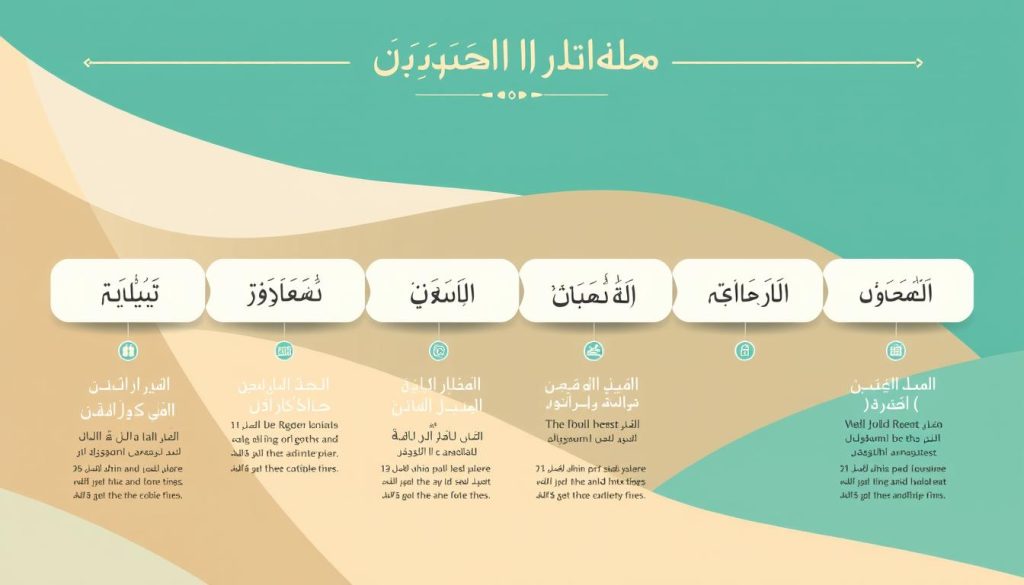
Islamic scholars have outlined several essential components of sincere repentance (tawbah nasuh) based on the Quran and Sunnah:
- Immediately stop the sinful action
- Feel genuine remorse for disobeying Allah
- Make a firm intention never to return to the sin
- If the sin involved another person’s rights, make amends to them
- Seek forgiveness before the opportunity passes
- Replace evil deeds with good ones
- Avoid environments and triggers that lead to sin
Steps of Sincere Repentance
Recommended Duas (Supplications) for Seeking Forgiveness
The Prophet Muhammad ﷺ taught several powerful supplications for seeking Allah’s forgiveness:
سُبْحَانَكَ اللَّهُمَّ وَبِحَمْدِكَ، أَشْهَدُ أَنْ لَا إِلَهَ إِلَّا أَنْتَ، أَسْتَغْفِرُكَ وَأَتُوبُ إِلَيْكَ
Subhanaka Allahumma wa bihamdika, ash-hadu an la ilaha illa anta, astaghfiruka wa atubu ilayk
“Glory is to You, O Allah, and praise is to You. I bear witness that there is none worthy of worship but You. I seek Your forgiveness and turn to You in repentance.” — (Bukhari and Muslim)
The Prophet ﷺ also taught what is known as the master of seeking forgiveness (Sayyid al-Istighfar):
اللَّهُمَّ أَنْتَ رَبِّي لَا إِلَهَ إِلَّا أَنْتَ، خَلَقْتَنِي وَأَنَا عَبْدُكَ، وَأَنَا عَلَى عَهْدِكَ وَوَعْدِكَ مَا اسْتَطَعْتُ، أَعُوذُ بِكَ مِنْ شَرِّ مَا صَنَعْتُ، أَبُوءُ لَكَ بِنِعْمَتِكَ عَلَيَّ، وَأَبُوءُ بِذَنْبِي فَاغْفِرْ لِي فَإِنَّهُ لَا يَغْفِرُ الذُّنُوبَ إِلَّا أَنْتَ
Allahumma anta Rabbi la ilaha illa anta, khalaqtani wa ana abduka, wa ana ‘ala ahdika wa wa’dika ma istata’tu, a’udhu bika min sharri ma sana’tu, abu’u laka bini’matika ‘alayya, wa abu’u bidhanbi faghfir li fa innahu la yaghfiru adh-dhunuba illa anta
“O Allah, You are my Lord, there is no god but You. You created me, and I am Your servant, and I abide by Your covenant and promise as best I can. I seek refuge in You from the evil of what I have done. I acknowledge Your blessing upon me and my sin, so forgive me, for there is none who can forgive sins except You.” — (Bukhari)
Practical Guide to Seeking Forgiveness
Download our comprehensive guide on practical steps for seeking tawbah, including daily duas, reflection exercises, and guidance for making amends.
Real-Life Scenarios Illustrating Allah's Infinite Mercy as AT-TAWWAB

The Immediate Return
Ahmad had spent years building a successful career but gradually drifted into unethical business practices. One night, after closing a particularly questionable deal, he found himself unable to sleep. The weight of his actions pressed upon his heart until he rose for Fajr prayer for the first time in years.
With tears streaming down his face, he begged Allah for forgiveness. That very morning, he canceled the unethical deal, regardless of the financial loss. In the months that followed, he restructured his business according to Islamic principles and found that Allah opened unexpected doors of halal provision that far exceeded what he had gained through questionable means.
This scenario illustrates how Allah as AT-TAWWAB not only accepts immediate repentance but often replaces what we give up for His sake with something better.

The Delayed Return
Fatima had abandoned religious practice in her youth, pursuing a life focused entirely on worldly achievements. For decades, she ignored the occasional tugs toward faith. At age 65, after a health scare, she found herself contemplating her mortality.
Hesitantly, she began to pray again, feeling ashamed of returning to Allah after so long. One night during tahajjud prayer, she was overwhelmed by a sense of acceptance and peace that transcended understanding. Despite decades of distance, she felt as though Allah had been waiting for her all along, ready to welcome her back without reproach.
Her final years became her most spiritually fulfilled, illustrating that with AT-TAWWAB, it is never too late to return, and the door of mercy remains open regardless of how much time has passed.

The Transformative Return
Yusuf had a troubled past involving substance abuse that had hurt many people around him. After hitting rock bottom, he turned to Allah in desperate repentance. Beyond simply stopping his harmful behavior, he committed to making amends.
Over several years, he not only sought forgiveness from those he had wronged but also established a support group for others struggling with similar challenges. The pain of his past became a means of guiding others toward healing. Many who initially refused to forgive him eventually witnessed the sincerity of his transformation and reconciled.
This scenario demonstrates how Allah as AT-TAWWAB not only forgives sins but can transform them into means of bringing good into the world, as the Quran promises that Allah can replace evil deeds with good ones for those who sincerely repent.
Embracing the Hope in Allah's Name AT-TAWWAB

Understanding Allah as AT-TAWWAB provides us with a profound source of hope and spiritual resilience. No matter how far we may stray or how many times we stumble, the path back to Allah’s mercy remains illuminated. His nature as The Acceptor of Repentance means that our sincere return is always met with divine acceptance.
The Prophet Muhammad ﷺ himself, though sinless, sought Allah’s forgiveness more than seventy times daily, teaching us that turning to Allah in repentance is not merely a remedy for sin but a spiritual practice that draws us closer to our Creator.
“Say, ‘O My servants who have transgressed against themselves [by sinning], do not despair of the mercy of Allah. Indeed, Allah forgives all sins. Indeed, it is He who is the Forgiving, the Merciful.” — (Quran 39:53)
As we navigate life’s challenges, may we find comfort in knowing that Allah is AT-TAWWAB—constantly turning to us with mercy, inviting us back to His path, and accepting our sincere repentance with boundless compassion.
Continue Your Spiritual Journey
Access our collection of audio lectures on Allah’s 99 Beautiful Names to deepen your connection with your Creator.


