The Appeal of Islamic Wall Art
The History and Significance of Islamic Wall Art, Islamic wall art has fascinated people for centuries. It combines history, spirituality, and cultural pride. These art forms express devotion and celebrate various aspects of life in the Islamic community. You can find this art in places such as ancient mosques and modern homes, reflecting its significance in daily life.
Historical Background
Islamic wall art began in the early Islamic period, around the 7th century. Artists created beautiful works that reflected their beliefs. They often used geometric shapes and detailed patterns that are admired for their beauty and precision. This art was not just for decoration; it had a purpose. Many believed the designs symbolized the infinite nature of Allah, highlighting faith’s role in everyday life.
As the Islamic empire grew, different cultures influenced the art. Styles and techniques from Persian, Byzantine, and Indian traditions helped shape Islamic wall art into a unique form of spirituality and creativity. Each piece shares a story, linking people to their beliefs and history.

The Techniques Used
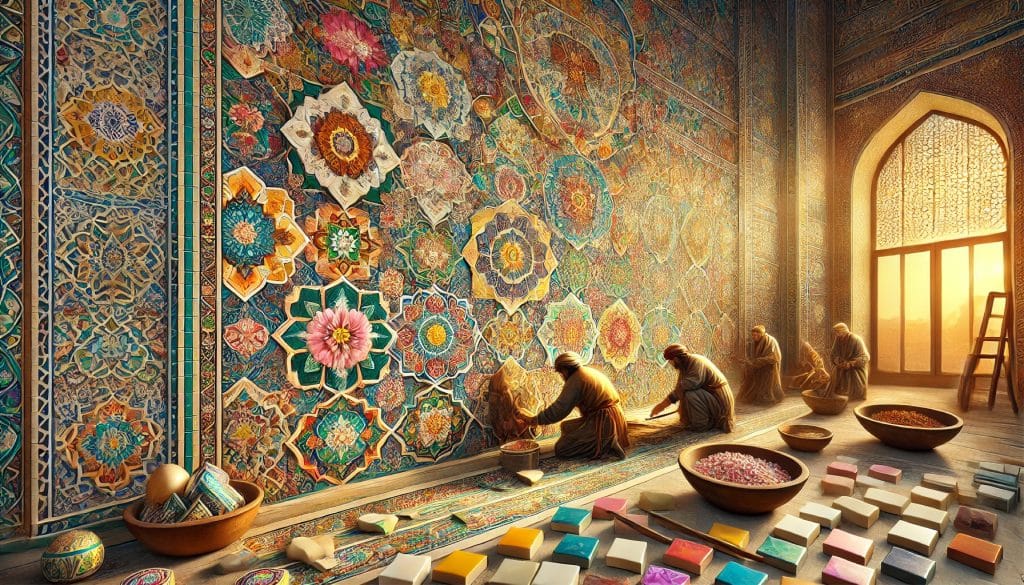
Creating Islamic wall art involves various methods that showcase skills passed down through generations. One common technique is tile work, where colourful tiles fit together in intricate patterns to cover walls or create stunning mosaics. This can be observed in mosques and palaces, where tiles create a welcoming atmosphere.
Another popular method is calligraphy, the art of writing beautifully in Arabic. Calligraphers spend years perfecting their skills, blending writing with artistry. Sayings from the Quran or famous quotes are often transformed into art, making the messages visually appealing and spiritually meaningful.
Modern Interpretations
Today, Islamic wall art is found in modern spaces, mixing traditional styles with contemporary designs. Many people enjoy this art’s beauty, even if they don’t share the same faith. You can find it in homes, offices, and public areas, showing its wide appeal.
Those interested in adding this art to their lives have many options. You can choose pieces that resonate with you, whether geometric designs or calligraphy. These artworks can become focal points in a room, encouraging conversation and reflection.
Cultural Significance
Islamic wall art holds great cultural importance. It connects different communities and promotes understanding among diverse groups. Art can go beyond language barriers. A beautiful piece can create feelings of peace and spirituality, inviting viewers to think about their own beliefs.
Displaying Islamic art in various settings encourages the exchange of ideas. This interaction helps clear up misunderstandings and fosters respect for different cultures. For those wishing to learn more about this art, visiting galleries, museums, or cultural events can be enlightening, providing insights into the stories and traditions behind each piece.

How to Incorporate Islamic Wall Art
To add Islamic wall art to your space, first, find a style that appeals to you. Look for different pieces online or check local art stores and galleries. Think about how the artwork will fit with the overall look of the room. A large tapestry may suit a big living room, while smaller pieces could enhance an office or hallway.
Once you select a piece, consider how to display it. Framing the artwork can enhance its appeal, while creating a special space for it—like a gallery wall—can show off a collection. Pay attention to lighting, as good light can highlight the art’s intricate details.
Finally, share the story behind the art piece with friends or family. This can deepen their appreciation and connect them to its cultural and historical background.
A Lasting Legacy
Islamic wall art is an important part of global artistic heritage. Its blend of spirituality and beauty ensures its place across cultures. People from various backgrounds can connect with this art, learning about Islamic traditions and values.
As a continuing expression of creativity and devotion, Islamic wall art evolves. Artists find new ways to mix traditional designs with modern styles, keeping the art fresh and engaging. This evolution ensures future generations will appreciate its rich history and significance while drawing inspiration from its beauty.
By incorporating Islamic wall art into our lives, we not only celebrate its beauty but also honour its deeper meanings and connections to faith and community.
The Origins of Islamic Wall Art
Islamic Art: A Connection to Faith
Islamic art started in the 7th century and is closely linked to the beliefs of Islam. This type of art is special because it usually does not show people or faces. Instead, it highlights abstract designs, beautiful writing, and geometric patterns. These elements come together to express ideas like unity, harmony, and the infinite nature of Allah. The beauty of Islamic art is in its ability to share deep spiritual meanings without using pictures of people.
Calligraphy: The Art of Writing
Calligraphy is an important part of Islamic art, especially in Arabic. This art takes words and turns them into visual forms, where each letter and phrase is created with care. A well-known example is the writing on the Dome of the Rock in Jerusalem, where verses from the Quran are beautifully displayed, making the walls a sight of devotion.
Another famous instance is the calligraphy in the Alhambra, a well-known palace in Spain. This shows how writing can mix well with building designs, creating art that serves both artistic and religious purposes. The verses usually express messages of faith and spirituality, helping viewers connect with their beliefs while enjoying the art.
If you’re interested in trying calligraphy, start by getting some basic tools like a calligraphy pen, ink, and special paper. Learn about different styles of Arabic calligraphy, such as Thuluth or Naskh. Many online resources can help beginners with the basic techniques. As you practice, choose meaningful words or phrases to include in your artwork, adding a spiritual touch to your creations.
Geometric Patterns: A Sign of Order
Geometric patterns are important in Islamic art, representing the order of creation. You can see these designs in mosques, palaces, and even in the tiles of regular buildings. Their detailed patterns serve a purpose beyond decoration; they reflect the belief in Allah’s perfection, showing the idea of infinite beauty.
A common feature of geometric patterns is repetition. The ongoing shapes create a sense of continuity, echoing the belief in Allah’s eternal presence. These patterns can be simple or complex, inviting viewers to explore their details.
To connect personally with this art, try creating geometric designs. Start with basic shapes like squares, triangles, and circles using a ruler and compass. Once you’re comfortable, combine these shapes into more intricate patterns. This creative activity not only allows you to express yourself but also helps you appreciate the beauty of Islamic art.
Arabesque: Nature-Inspired Designs
Arabesque patterns are another key part of Islamic art, marked by flowing lines and natural designs. These often show vines, flowers, and leaves, symbolizing the connection of all living things. Arabesque patterns often decorate the walls, ceilings, and tiles of Islamic buildings.
These natural elements hold deep meaning. The flowing lines represent life and growth, highlighting the importance of nature in Islamic culture. Arabesque designs remind viewers of the natural world’s beauty and its link to the divine, illustrating the belief that life reflects Allah’s creativity.
To explore arabesque designs, start by studying their common forms and shapes. Then, gather materials like paper, pens, or paints to begin creating. Start with simple floral shapes before moving to more complex designs. As you create, reflect on nature and its significance in your art, enriching your experience with a spiritual connection.
Islamic art offers many ways to express faith and spirituality. Through calligraphy, geometric patterns, and arabesque designs, this art invites both creators and viewers to engage with the deeper meanings of their beliefs. Each part, from the written word to the detailed designs, serves as a link to the divine, allowing people to reflect on their connection to Allah and the beauty of the world. The focus on unity and harmony in Islamic art shares messages of peace and encourages appreciation for the diversity of creation. Engaging with these artistic forms can inspire individuals and strengthen their connection to their faith and the broader art community.
The Importance of Islamic Wall Art
Islamic wall art does more than decorate a space. It has deep spiritual and cultural meanings that resonate with many. This art connects people to their faith, identity, and shared understanding.
A Spiritual Reminder
For many Muslims, displaying Quranic verses and Islamic symbols on walls is a daily reminder of their faith. These texts encourage people to think about their beliefs and values in everyday life. Imagine waking up to a beautiful calligraphy of a Quran verse. It not only beautifies the space but also encourages mindfulness.
For instance, a popular piece of Islamic wall art might say “Bismillah” (In the name of Allah). Placing this in a noticeable spot, like the entryway or living room, can spark conversations about faith and starting actions with good intentions. This practice brings families and friends together, becoming part of daily discussions.
Additionally, Islamic art supports spiritual growth. Interacting with these visual reminders can help individuals think about their relationship with God and their life purpose. It serves as a quiet guide that helps people focus on what truly matters in a busy world.
Cultural Identity

Islamic wall art is key in expressing cultural identity. The different artistic styles show the diversity within the Islamic world. Styles like Persian, Ottoman, Mughal, and Andalusian each offer something unique, and they follow shared Islamic values.
Each style tells about the people, history, and geography where it comes from. For example, Persian wall art is known for intricate floral patterns and bright colours, symbolizing the beauty of Iranian culture.
Conversely, Ottoman art features geometric patterns and elegant calligraphy. This style is known for its balance and symmetry, linking math and nature’s beauty. When displayed in homes, these pieces can instil a sense of pride and belonging.
Understanding these styles helps us appreciate Islamic wall art. It shows how art shares stories about a community’s values and experiences. Having such art at home helps people connect with their roots, making it a vital part of cultural identity.
A Universal Appeal
One remarkable aspect of Islamic art is its universal appeal. The use of non-figurative and abstract forms creates a welcoming space for everyone, regardless of their background. The beauty of the patterns can be enjoyed by all, fostering a general art appreciation.
Many non-Muslims admire the stunning geometric patterns found in Islamic tile work. These designs often have repeating motifs that create harmony and balance, encouraging viewers to explore and find peace in their complexity.
In addition to being visually appealing, Islamic wall art embodies values like patience and creativity that resonate worldwide. The effort it takes to create such intricate pieces often inspires admiration and bridges cultural gaps.
Moreover, Islamic art sparks curiosity. People who may not have engaged with Islamic culture often find themselves attracted to these pieces. This interest can lead to a better understanding of Islamic traditions, supporting diversity and inclusion.
Having Islamic wall art in a space can start conversations about culture, faith, and artistic expression. It encourages viewers to look deeper and explore the stories behind each piece, enriching their lives and building connections.
In summary, Islamic wall art is more than just decoration. It holds deeper meanings, offers spiritual reminders, showcases cultural identities, and connects with a universal audience. In a diverse world, this art beautifully reflects the shared human experience through faith and creativity.
Evolution Through the Ages
Islamic wall art has evolved with time, adapting to different cultural contexts while staying true to its roots.
- Classical Era (7th–15th Century):
The golden age of Islamic art saw the construction of iconic structures like the Alhambra and the Great Mosque of Córdoba, adorned with stunning wall art. - Ottoman and Mughal Influences (15th–19th Century):
The Ottomans introduced rich tile work and domed interiors, while the Mughals combined Persian and Indian aesthetics to create masterpieces like the Taj Mahal. - Modern Interpretations (20th Century–Present):
Today, Islamic wall art is being reimagined in contemporary settings, with artists blending traditional elements with modern techniques. Homes and offices worldwide feature Islamic art as a source of inspiration and aesthetic beauty.
Why Islamic Wall Art Matters Today
In today’s fast-paced world, Islamic wall art serves as a bridge between tradition and modernity. It offers a way to preserve Islamic heritage while enhancing contemporary interiors with meaningful, timeless designs.
- Spiritual Connection:
Placing Islamic art in homes and workplaces fosters a serene and reflective environment. - Educational Value:
For many, it’s a gateway to understanding Islamic culture, history, and artistry. - Global Appeal:
The universal themes of unity and spirituality make Islamic wall art resonate with a global audience.
How to Incorporate Islamic Wall Art in Your Space
- Select Calligraphic Pieces:
Choose Quranic verses or hadiths that inspire you, ensuring they are placed in a respectful and prominent location. - Embrace Geometric Designs:
Use geometric patterns to create a sense of balance and harmony in your decor. - Combine Traditional and Modern:
Mix traditional Islamic motifs with contemporary art styles for a unique and personal touch.
Conclusion
Islamic wall art is more than just decoration—it is a celebration of faith, culture, and artistic ingenuity. Its timeless appeal continues to inspire and connect people across generations and geographies. By understanding its history and significance, we can better appreciate its role in shaping our shared cultural heritage.