


In the rich tapestry of Islamic theology, the 99 names of Allah hold profound significance, each revealing an aspect of divine perfection. Among these beautiful names stands “Al-Kareem” – a name that embodies boundless generosity, nobility, and honor. Understanding this divine attribute not only deepens our spiritual connection but also transforms how we navigate our daily lives and interact with others.
The Profound Meaning of Al-Kareem
The name Al-Kareem derives from the Arabic root word “karuma,” which encompasses a constellation of noble meanings. Linguistically, it signifies one who is generous, noble, bountiful, and honourable. When applied to Allah, Al-Kareem represents the Most Generous, the Most Noble, and the Most Bountiful.

In Islamic theology, Al-Kareem signifies that Allah’s generosity is perfect and absolute. Unlike human generosity, which may be conditional or limited, Allah’s generosity knows no bounds. He gives abundantly without expecting return, forgives despite having the power to punish, and fulfills promises with perfect faithfulness.
“O man! What has beguiled you from your Lord, the Gracious One…?” (Qur’an, 82:6)
The Qur’an references this divine attribute in several verses, highlighting different dimensions of Allah’s generosity. In Surah Ar-Rahman (55:27), Allah is described as “the Lord of Majesty and Honor” (Dhul-Jalali wal-Ikram), connecting His generosity with His majesty. In Surah An-Naml (27:40), we find another reference to Al-Kareem in the context of Allah being self-sufficient and honored regardless of whether people express gratitude.

Reflect on Divine Generosity
Take a moment to contemplate the boundless generosity of Al-Kareem in your life. What blessings have you received without asking? How has divine generosity manifested in unexpected ways?
Theological Significance in Islamic Texts
The concept of Al-Kareem extends beyond mere material generosity. In Islamic tradition, it encompasses Allah’s perfect attributes of forgiveness, mercy, and benevolence. The Prophet Muhammad (peace be upon him) often highlighted this divine quality in his teachings.
“Allah is Kareem (Generous) and loves generosity, and He loves noble character and dislikes bad character.” – Hadith
One of the most beautiful aspects of Al-Kareem is that Allah gives before being asked and gives more than what is requested. This divine generosity manifests in countless ways – from the air we breathe to the guidance we receive, from forgiveness of sins to opportunities for spiritual growth.

According to Islamic scholars, Al-Kareem also signifies that Allah covers the faults of His servants in this world, not exposing their sins publicly, giving them opportunities to repent and reform. This aspect of divine generosity teaches us the importance of discretion and forgiveness in our own interactions.
Benefits of Understanding Al-Kareem
Spiritual Growth Through Embodying Generosity
Understanding Al-Kareem transforms our spiritual journey by inspiring us to reflect divine generosity in our own lives. When we recognize that all we have comes from the Most Generous, we naturally become channels of that generosity rather than mere recipients.
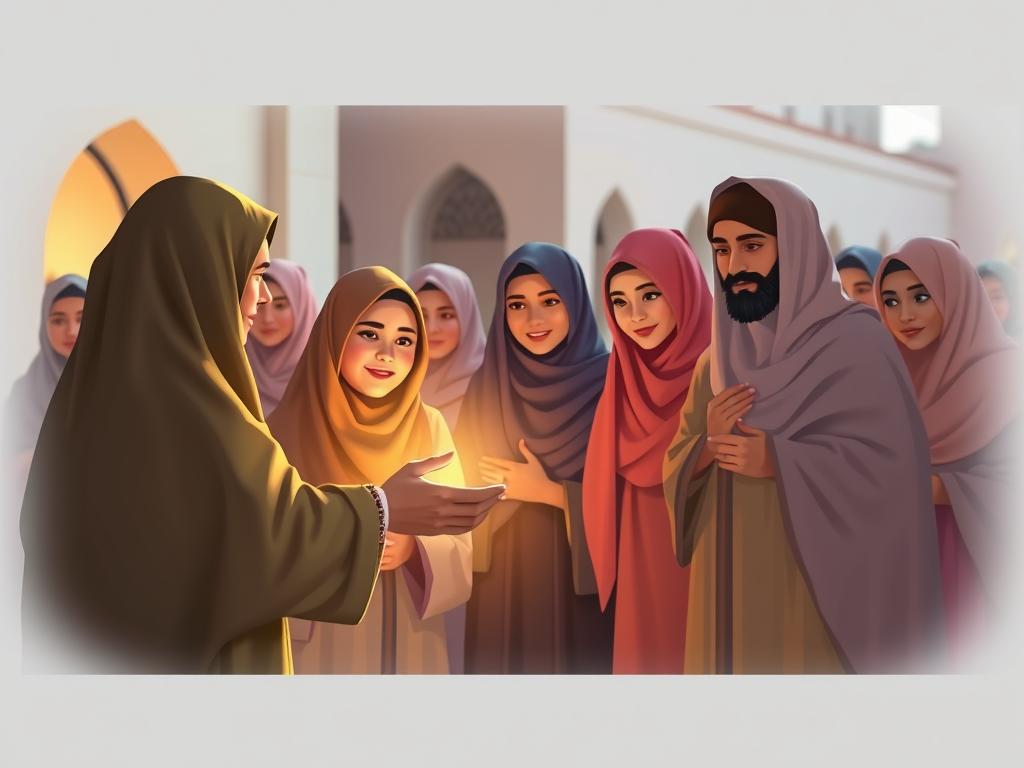
By striving to embody the qualities of Al-Kareem, believers develop:
- A generous spirit that gives without expectation of return
- The ability to forgive despite having the right to seek justice
- Patience with others’ shortcomings
- Willingness to share knowledge, resources, and time
- Discretion in covering others’ faults and mistakes
Psychological Benefits
The concept of Al-Kareem offers profound psychological benefits for those who internalize its meaning. Recognizing Allah as Al-Kareem cultivates:
Gratitude
Acknowledging the source of all blessings creates a profound sense of thankfulness that counteracts entitlement and discontent. Research consistently shows that grateful people experience greater happiness, reduced depression, and improved relationships.
Humility
Understanding that our abilities and resources are gifts from Al-Kareem fosters genuine humility. This balanced self-perception protects against both arrogance and self-deprecation, creating psychological resilience.

Additionally, embodying generosity triggers the brain’s reward pathways, releasing endorphins and creating what psychologists call a “helper’s high.” This neurological response reinforces generous behavior and contributes to overall well-being.
Social Benefits
When communities understand and embody the essence of Al-Kareem, remarkable social transformation occurs:
- Strengthened community bonds through mutual support and generosity
- Reduced economic inequality through voluntary redistribution of resources
- Increased social trust and cooperation
- Creation of safe spaces where mistakes are forgiven and growth is encouraged
- Development of leadership characterized by service rather than dominance
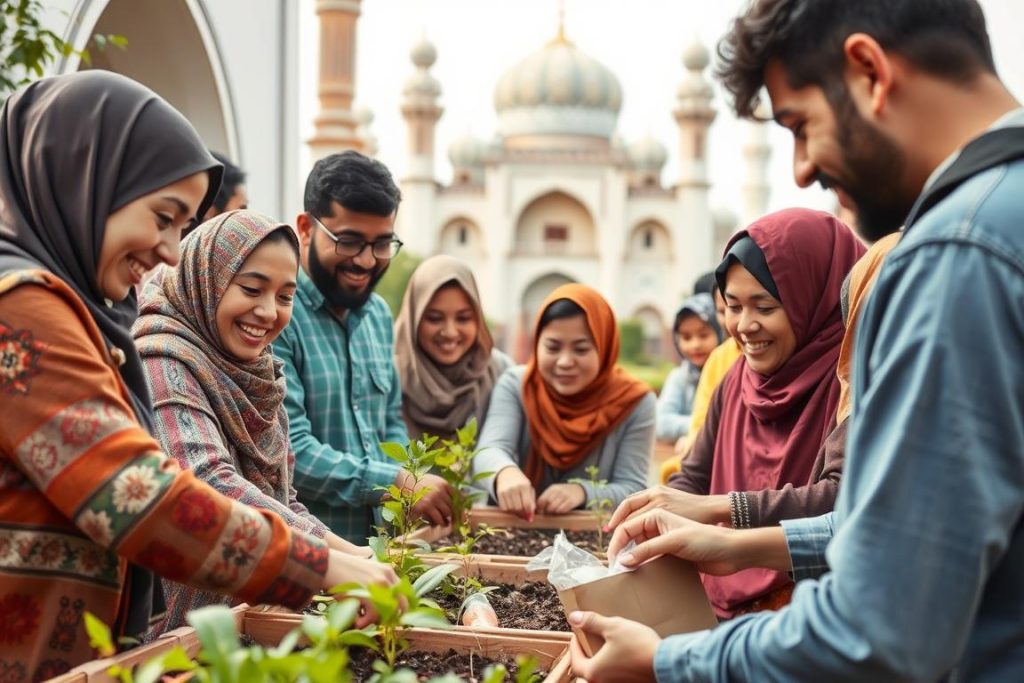
Cultivate Gratitude Daily
Begin a gratitude journal to recognize the manifestations of Al-Kareem in your life. Each day, record three specific blessings you’ve received without asking and reflect on how you can channel that generosity to others.
Practical Applications: Living the Essence of Al-Kareem
Understanding Al-Kareem intellectually is merely the beginning. The true transformation occurs when we integrate this divine attribute into our daily lives. Here are practical ways to embody the essence of Al-Kareem:
Financial Generosity
Beyond obligatory charity (zakat), look for opportunities to give voluntary charity (sadaqah) without announcing it. Set aside a specific percentage of your income for unexpected needs that arise in your community. Remember that true generosity in Islam isn’t measured by amount but by sacrifice and sincerity.

Emotional Generosity
Practice forgiveness even when justified in anger. Give people the benefit of the doubt and assume the best about their intentions. Listen generously, giving others your full attention without interrupting or waiting to speak. Offer sincere compliments and recognition of others’ achievements without expectation of reciprocation.

Intellectual Generosity
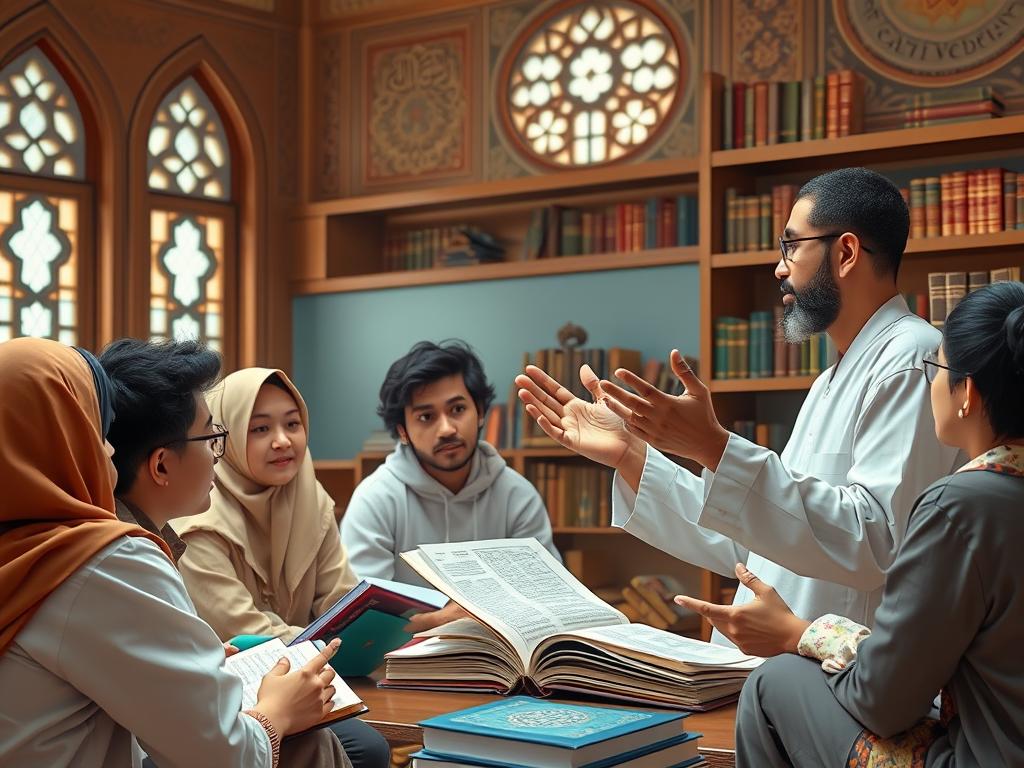
Share knowledge without condescension. Teach others skills you’ve mastered. Give credit generously when others contribute ideas. Be open to learning from everyone, regardless of their status or background. Create opportunities for others to showcase their expertise and talents.
Daily Reflection Practice
Each evening, ask yourself these three questions to align with the essence of Al-Kareem:
- How did I experience Allah’s generosity today?
- In what ways did I channel generosity to others?
- Where might I have withheld generosity, and how can I do better tomorrow?

“The generous one is close to Allah, close to Paradise, close to people, and distant from the Fire. A miser is distant from Allah, distant from Paradise, distant from people, and close to the Fire.” – Hadith
Transform Your Community Through Generosity
Organize a community initiative that embodies the spirit of Al-Kareem. This could be a food drive, a knowledge-sharing workshop, or a community cleanup. Invite others to participate without seeking recognition.
Embracing Al-Kareem: A Lifelong Journey
Understanding and embodying Al-Kareem is not a destination but a continuous journey of spiritual growth. As we deepen our appreciation of Allah’s perfect generosity, we naturally become more generous ourselves – creating ripples of positive change in our families, communities, and the world.
The beauty of Al-Kareem lies in its transformative power. By recognizing Allah as the source of all generosity, we free ourselves from the constraints of scarcity thinking and embrace an abundance mindset that enriches every aspect of our lives.

May our understanding of Al-Kareem inspire us to become beacons of generosity in a world that desperately needs it. By reflecting this divine attribute in our daily interactions, we not only elevate our own spiritual state but also contribute to healing the divisions and inequalities that plague our societies.
Continue Your Spiritual Journey
Deepen your understanding of Allah’s beautiful names and their practical applications in your life. Commit to studying one divine attribute each week and implementing its lessons in your daily interactions.
Frequently Asked Questions About Al-Kareem
How is Al-Kareem different from other divine names related to generosity?
While several divine names relate to generosity (such as Al-Wahhab, The Bestower), Al-Kareem encompasses a broader concept that includes nobility, honor, and forgiveness alongside material generosity. Al-Kareem signifies perfection in giving – giving abundantly, giving before being asked, giving more than expected, and giving without seeking return.
Can humans truly embody the attribute of Al-Kareem?
Humans can reflect the qualities of Al-Kareem to a limited degree, though never perfectly as Allah does. When we strive to be generous, forgiving, and honorable, we manifest shadows of this divine attribute. Islamic tradition encourages believers to adopt divine qualities in a manner appropriate to human capacity, as mentioned in the hadith about adopting the character traits beloved to Allah.
How can I balance generosity with practical financial responsibilities?
Islamic teachings emphasize balanced generosity that doesn’t lead to hardship. The Prophet Muhammad advised against giving so much that you become dependent on others. Start with obligatory charity (zakat), then add voluntary charity according to your means. Remember that generosity extends beyond money to include time, knowledge, emotional support, and simple acts of kindness that often have greater impact than material gifts.


