


Al-Muta’ali
Al-Muta’ali Among Allah’s 99 beautiful names, Al-Muta’ali stands as a profound testament to His absolute transcendence and supremacy above all creation. This divine name, mentioned in the Holy Quran, carries deep theological significance that invites believers to contemplate the unparalleled majesty of their Creator. As we explore the meaning of Al-Muta’ali, we embark on a journey to understand how this attribute reflects Allah’s perfect nature and how we might draw closer to Him through this knowledge.
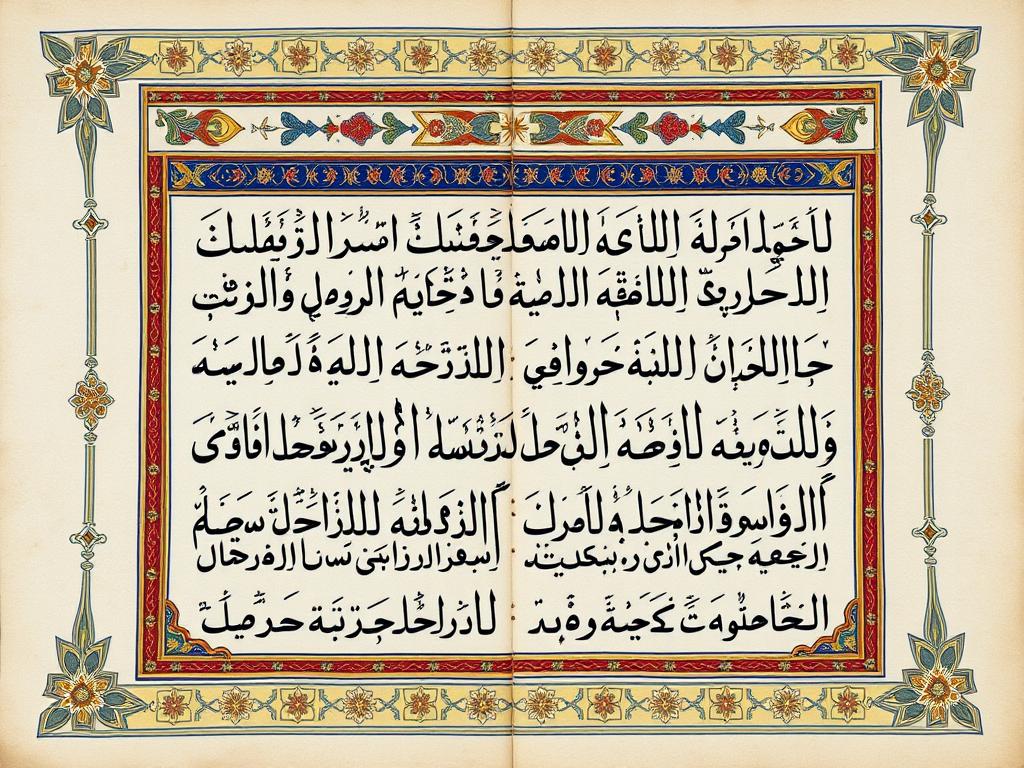
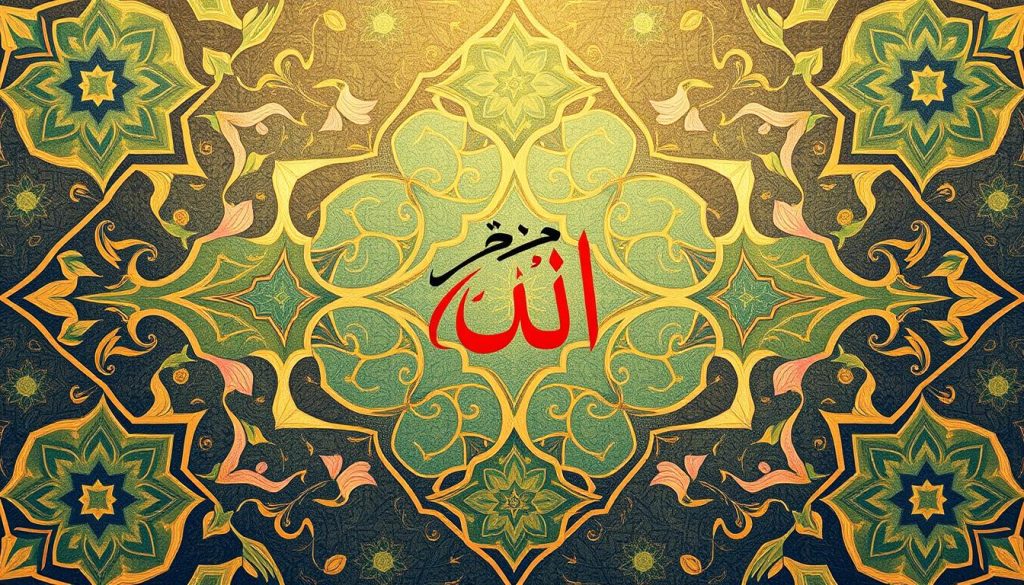
The beautiful calligraphy of Allah’s name Al-Muta’ali (المتعالي) – The Supreme, The Exalted
The Linguistic and Theological Meaning of Al-Muta'ali
Al-Muta’ali (المتعالي) derives from the Arabic root ‘a-l-w (ع-ل-و), which carries connotations of height, elevation, and transcendence. Linguistically, it refers to high, elevated, and lofty. It takes on a more profound dimension when applied as one of Allah’s names.
Linguistic Analysis
The root ‘a-l-w, from which Al-Muta’ali derives, has several classical Arabic connotations:
- To be high, elevated, and lofty
- To be exalted and to rise up
- To ascend and be higher
- To exceed and surpass
- To overcome and overwhelm
- To advance, promote, and rise above
Theological Significance
In Islamic theology, Al-Muta’ali represents Allah’s absolute transcendence above all creation. It signifies that:
- Allah is free from any resemblance to His creation
- He is beyond any limitations or imperfections
- His attributes are perfect and incomparable
- He is exalted above any partnership or similarity
- His highness encompasses His Essence, Attributes, and Power

Al-Muta’ali is an intensified form of Al-‘Aliyy (The High), emphasising Allah’s supreme exaltation. While Al-‘Aliyy affirms Allah’s highness, Al-Muta’ali adds another dimension of transcendence, indicating that Allah is not merely high but is exalted far beyond any comparison or imagination.
“He is the One who is exalted above all of creation. The One who is beyond the highest… beyond the beyond. The One who is far beyond any imagination, thought, limitation or ideal of mankind.”
Quranic References and Hadith Mentioning Al-Muta'ali
Al-Muta’ali appears explicitly in the Holy Quran, affirming its status as one of Allah’s divine attributes. Understanding these references helps us appreciate the context and significance of this name.
Mention in Surah Ar-Ra'd
“He is the Knower of the unseen and the witnessed, the Most Great, the Exalted (Al-Muta’ali).”
Surah Ar-Ra’d (13:9)
In this verse, Allah describes Himself as the Knower of all that is hidden and apparent, followed by two magnificent attributes: Al-Kabir (the Most Great) and Al-Muta’ali (the Exalted). This pairing emphasises both His greatness and His transcendence above all creation.
Related Quranic Verses
While Al-Muta’ali is mentioned explicitly only once in the Quran, several other verses reinforce this concept of Allah’s transcendence:
“Glorify the name of your Lord, the Most High (Al-A’la).”
Surah Al-A’la (87:1)
“He is the Most High, the Most Great.”
Surah Al-Baqarah (2:255)
“That is because Allah – He is the Truth, and what they invoke besides Him is falsehood, and because Allah is the Most High, the Most Great.”
Surah Al-Hajj (22:62)
Insights from Hadith
The Prophet Muhammad ﷺ often glorified Allah’s transcendence in his supplications and teachings:
“When the Prophet ﷺ prostrated, he would say: ‘Subhana Rabbi Al-A’la’ (Glory be to my Lord, the Most High).”
Reported by Ahmad and Abu Dawud
This practice of glorifying Allah’s transcendence during prostration—the lowest physical position in prayer—beautifully illustrates the contrast between human humility and divine exaltation.
How Al-Muta'ali Reflects Allah's Transcendence Above Creation
Al-Muta’ali establishes a fundamental aspect of Islamic theology: Allah’s complete transcendence above His creation. This transcendence manifests in multiple dimensions:
Transcendence in Essence
Allah’s essence is entirely unlike His creation. The Quran affirms: “There is nothing like unto Him” (42:11). Al-Muta’ali reminds us that Allah’s nature transcends human comprehension and cannot be compared to anything in creation.
Transcendence in Attributes
While humans may possess attributes like knowledge or power in a limited way, Allah’s attributes are perfect and without limitation. His knowledge, power, mercy, and all other attributes are at the highest level of perfection, beyond any comparison.
Transcendence in Power
Allah’s power and authority transcend all others. The Quran states: “And He is the Irresistible, above His slaves” (6:18). Al-Muta’ali affirms that all creation is subject to His absolute power and authority.

The Balance of Transcendence and Immanence
While Al-Muta’ali emphasises Allah’s transcendence, Islamic theology affirms His nearness to creation. The Quran states: “And We are closer to him than his jugular vein” (50:16). This creates a beautiful theological balance: Allah is both transcendent (Al-Muta’ali) and immanent (Al-Qarib, The Near).
“He is close, although He is Most High, and He is Most High although He is close. He is the First (nothing is before Him) and the Last (nothing is after Him), the Most High (nothing is above Him) and the Most Near (nothing is nearer than Him).”
This understanding helps believers maintain proper perspective: Allah is beyond our complete comprehension, yet intimately aware of and involved with His creation.
Practical Applications: Reflecting on Al-Muta'ali in Daily Life
Understanding Allah’s name Al-Muta’ali isn’t merely an intellectual exercise but should transform our worship and daily conduct. Here are practical ways to reflect on and apply this divine attribute:

Reflecting on Al-Muta'ali During Prayer
In Prostration (Sujood)
Following the Prophet’s example, say “Subhana Rabbi Al-A’la” (Glory be to my Lord, the Most High) during prostration. This physical position—the lowest posture in prayer—paired with glorifying Allah’s highness creates a powerful spiritual contrast that reinforces our humility before the Exalted.
During Supplication (Du'a)
When raising your hands in du’a, consciously reflect on the fact that you are addressing the Most Exalted. This awareness enhances the reverence and sincerity of your supplications, recognizing that you’re communicating with the Supreme Being above all creation.
In the Recitation of the Quran
When reciting verses that mention Allah’s transcendence, pause to contemplate their meaning. Take a moment to reflect on this attribute, especially when reciting Ayatul Kursi (2:255), which concludes with “And He is the Most High, the Most Great. “
In Dhikr (Remembrance)
Incorporate phrases glorifying Allah’s transcendence in your daily remembrance, such as “Subhan Allah al-‘Adheem” (Glory be to Allah, the Most Great) and “Subhan Allah al-A’la” (Glory be to Allah, the Most High).
Applying Lessons of Al-Muta'ali in Daily Life
Practical Ways to Embody Understanding of Al-Muta'ali
- Cultivate Humility: Recognising Allah as Al-Muta’ali naturally fosters humility, as we acknowledge our position as created beings before the Supreme Creator.
- Avoid Arrogance: Understanding that true highness belongs only to Allah helps us avoid claiming greatness for ourselves or behaving arrogantly toward others.
- Seek Higher Values: Aspire toward elevated moral character and spiritual growth, seeking high and noble character and conduct.
- Trust in Divine Wisdom: When facing challenges, remember that Allah’s wisdom and plan transcend our limited understanding.
- Fear None But Allah: Since Allah is Al-Muta’ali, the Highest Authority, direct your ultimate fear and hope toward Him alone.

Key Supplications (Duas) Invoking Al-Muta'ali
The following supplications help us connect with Allah through His name Al-Muta’ali. Incorporating these into your regular worship can deepen your relationship with the Exalted One.
Supplication for Protection
“La ilaha illallahul-Adhimul-Haleem. La ilaha illallahu Rabbul-‘Arshil-‘Adhim. La ilaha illallahu Rabbus-samawati, wa Rabbul-ardi, wa Rabbul-‘Arshil-Kareem.”
“There is no god but Allah, the Great, the Tolerant. There is no god but Allah, the Lord of the Magnificent Throne. There is no god but Allah, the Lord of the Heaven and the earth, the Lord of the Edifying Throne.”
This supplication, reported by Ibn Abbas, was used by the Prophet ﷺ during times of distress. It acknowledges Allah’s transcendence as Lord of the heavens, earth, and the Magnificent Throne.
Supplication for Learning
“SubhanAllah, wal-hamdulilah, wa la illaha ill-Allah, wa Allahu Akbar, wa la hawla wa la quwwata illa Billahil-aliy al-azim.”
“Glory be to Allah, praise be to Allah, there is none worthy of worship except Allah, Allah is Most Great, and there is no power and no strength except with Allah the Exalted and Magnificent.”
The Prophet ﷺ taught this supplication to a companion who had difficulty learning the Quran. It glorifies Allah’s transcendence and acknowledges that all power comes from The Most High.
Morning and Evening Remembrance
“Asbahna wa asbahal-mulku lillahi rabbil-‘alameen. Allahumma inni as’aluka khayra hadhal-yawm: fat-hahu, wa nasrahu, wa noorahu, wa barakatahu, wa hudahu, wa a’udhu bika min sharri ma fihi wa sharri ma ba’dahu.”
“We have reached the morning, and the kingdom belongs to Allah, Lord of the worlds. O Allah, I ask You for the goodness of this day: its victory, its help, its light, its blessings, and its guidance. I seek refuge in You from the evil that is in it and from the evil that follows it.”
This daily supplication acknowledges Allah’s supreme authority over all creation and seeks His exalted guidance and protection.
Incorporate These Supplications Into Your Daily Worship
Regularly reciting these supplications with understanding and presence of heart can strengthen your connection with Allah through His exalted name Al-Muta’ali. Try to memorise at least one of these supplications and make it part of your daily spiritual practice.
Balancing Awe and Love: Reflecting on Al-Muta'ali
Understanding Allah as Al-Muta’ali invites us to experience awe at His majesty and love for His perfection. This divine name teaches us that Allah’s exaltation doesn’t create distance but establishes the proper relationship between Creator and creation.
The Awe of Transcendence
Allah’s transcendence as Al-Muta’ali naturally evokes awe and reverence. We recognise His incomparable greatness, perfect attributes, and supreme authority. This awareness fosters humility and proper adab (etiquette) in our worship and conduct.
The Prophet Muhammad ﷺ exemplified this reverence in his prostrations, prayers, and constant awareness of Allah’s greatness. His companions described how his face would change when prayer time approached, recognizing he was about to stand before The Most Exalted.
The Love of Perfection
While Al-Muta’ali emphasises Allah’s transcendence, it also reveals His perfect nature, naturally inspiring love. We love Allah for His perfect attributes and transcendence above all imperfections.
This love is enhanced by the knowledge that, despite His exalted status, Allah is also Al-Qarib (The Near), intimately aware of our needs and responsive to our calls. As the Quran states: “And when My servants ask you concerning Me, indeed I am near. I respond to the invocation of the supplicant when he calls upon Me” (2:186).
“To know Allah as Al-Muta’ali is to recognise both His transcendent majesty and His intimate care for creation—a beautiful balance that leads to both reverent awe and devoted love.”
As we conclude our exploration of Allah’s name Al-Muta’ali, let us carry this understanding into our worship and daily lives. May the recognition of Allah’s transcendence elevate our thoughts, purify our intentions, and inspire us to seek nearness to the Most Exalted through sincere worship and righteous conduct.
Continue Your Journey of Understanding
Exploring Allah’s beautiful names is a lifelong journey of spiritual growth. Each name reveals another facet of His perfect nature and guides our path to Him.


