


In the vast ocean of Islamic spirituality, the 99 names of Allah stand as beacons of divine attributes, each illuminating a unique aspect of the Creator’s perfection. Among these sacred names, AL-WAKEEL holds a special place of comfort and reassurance for believers. This name invites us to release our burdens, surrender our anxieties, and place our complete trust in the One who manages all affairs with perfect wisdom and care. As we explore the depths of AL-WAKEEL, we discover not just a theological concept, but a transformative approach to navigating life’s challenges with serenity and faith.
The Linguistic and Theological Meaning of AL-WAKEEL
The name AL-WAKEEL (الوكيل) derives from the Arabic root “wakala” (وكل), which carries rich connotations of entrusting, delegating, and appointing someone to manage affairs on one’s behalf. In its purest form, AL-WAKEEL refers to the One who can be fully trusted with all matters, the ultimate guardian and protector who never fails in His responsibilities.
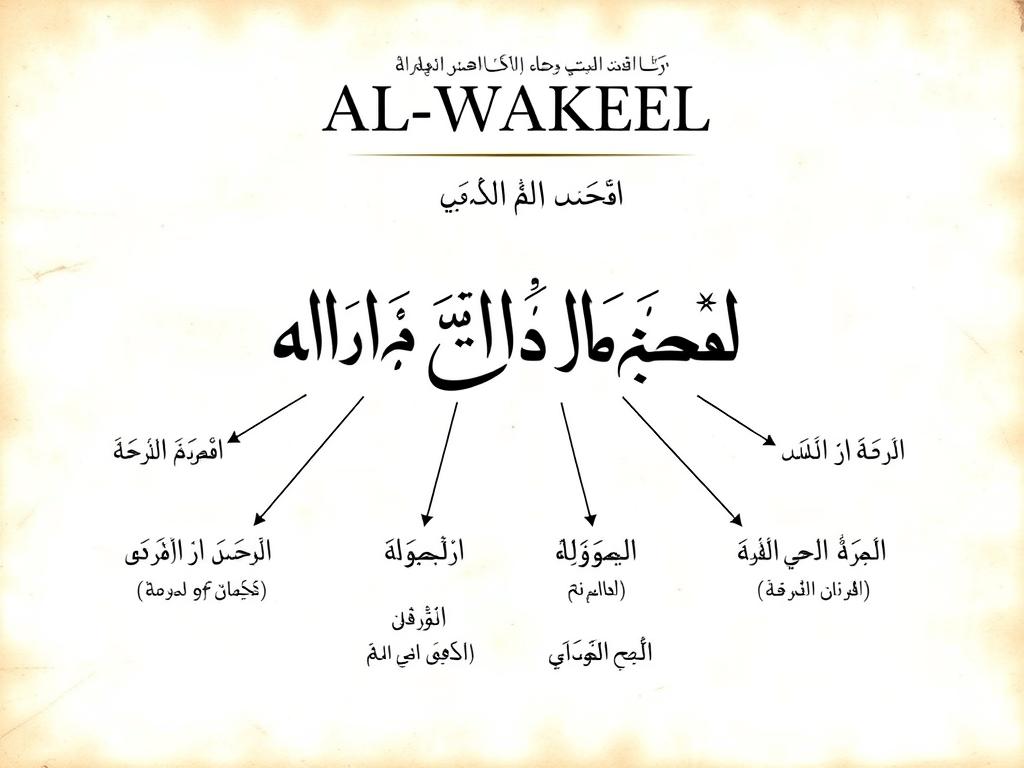
Linguistically, AL-WAKEEL encompasses several interconnected meanings:
- The Trustee who can be relied upon completely
- The Guardian who protects and watches over His creation
- The Disposer of Affairs who manages all matters with perfect wisdom
- The Advocate who represents and defends those who trust in Him
- The Sufficient One who fulfills all needs without requiring assistance
In Islamic theology, AL-WAKEEL represents Allah’s perfect sufficiency in managing the affairs of His creation. Unlike human guardians or trustees who may be limited in power, knowledge, or commitment, Allah as AL-WAKEEL possesses unlimited capacity to care for His servants. He never tires, never forgets, and never fails in His responsibilities.
This theological understanding emphasizes that Allah’s guardianship is comprehensive and all-encompassing. When we recognize Allah as AL-WAKEEL, we acknowledge that He alone has the perfect ability to manage our affairs, protect us from harm, and guide us toward what is best for our worldly life and spiritual journey.
AL-WAKEEL in the Quran: Divine Assurances
The name AL-WAKEEL appears numerous times throughout the Quran, each instance reinforcing the message of Allah’s perfect guardianship and the importance of placing our trust in Him. These verses serve as divine assurances that when we entrust our affairs to Allah, we are placing them in the most capable hands.
Surah Al-Imran (3:173)
“Those to whom hypocrites said, ‘Indeed, the people have gathered against you, so fear them.’ But it [merely] increased them in faith, and they said, ‘Sufficient for us is Allah, and [He is] the best Disposer of affairs.'”
This verse shows how believers respond to threats by placing their trust in AL-WAKEEL.
Surah An-Nisa (4:132)
“And to Allah belongs whatever is in the heavens and whatever is on the earth. And sufficient is Allah as Disposer of affairs.”
This verse emphasizes Allah’s complete ownership and control over all creation.
Surah Al-Muzammil (73:9)
“[He is] the Lord of the East and the West; there is no deity except Him, so take Him as Disposer of [your] affairs.”
A direct command to take Allah as our AL-WAKEEL, our guardian and trustee.
These Quranic references highlight a crucial spiritual principle: when faced with challenges, threats, or uncertainties, the believer’s response should be to increase in faith and declare, “Hasbunallahu wa ni’mal wakeel” (Sufficient for us is Allah, and He is the best Disposer of affairs). This powerful phrase, mentioned in the Quran and frequently recited by Prophet Muhammad ﷺ, serves as a shield against anxiety and a declaration of complete trust in Allah’s perfect plan.
Prophetic Wisdom: The Prophet Muhammad ﷺ would often recite “Hasbunallahu wa ni’mal wakeel” during times of distress. This supplication was also uttered by Prophet Ibrahim (Abraham) when he was thrown into the fire, and Allah made the fire cool and safe for him.
Key Spiritual Benefits of Embracing AL-WAKEEL
Understanding and embracing Allah as AL-WAKEEL brings numerous spiritual benefits that transform our relationship with both our Creator and the challenges of life. When we truly internalize this divine attribute, we experience profound shifts in our perspective and emotional state.

1. Freedom from Anxiety and Worry
When we recognize Allah as AL-WAKEEL, we understand that the One managing our affairs possesses perfect knowledge, wisdom, and power. This realization liberates us from the burden of anxiety about outcomes we cannot control. Like a bird that leaves its nest each morning without carrying provisions yet returns satisfied, the believer who trusts in AL-WAKEEL finds that their needs are met in ways they could not have anticipated.
Practice: Anxiety Relief Through Trust
Next time you feel overwhelmed by worry, pause and consciously entrust your concern to AL-WAKEEL. Say “Hasbunallahu wa ni’mal wakeel” with presence of mind, truly releasing the burden to Allah’s care.
2. Strengthened Resilience in Adversity
Trusting in AL-WAKEEL transforms our response to life’s challenges. Rather than being crushed by difficulties, we view them as opportunities to witness Allah’s perfect management of our affairs. This perspective builds remarkable resilience, as we understand that behind every trial is a Wise Guardian orchestrating events for our ultimate benefit.

The companions of Prophet Muhammad ﷺ demonstrated this resilience when, after the Battle of Uhud, they were threatened with a second attack. Instead of succumbing to fear, their faith increased, and they proclaimed their trust in AL-WAKEEL. This trust was rewarded as Allah averted the threat and granted them safety.
3. Liberation from Dependence on Creation
One of the most transformative benefits of embracing AL-WAKEEL is freedom from unhealthy dependence on other created beings. While we may seek help from others, our ultimate reliance remains on Allah alone. This liberates us from the disappointment that inevitably comes when we place excessive hope in fallible humans or unstable circumstances.
By redirecting our ultimate trust to AL-WAKEEL, we establish a relationship with the only Being who will never disappoint, never abandon, and never fail to fulfill His promises. This creates a profound sense of security that transcends changing worldly circumstances.
4. Balance Between Effort and Trust
Trusting in AL-WAKEEL does not mean abandoning personal responsibility or effort. Rather, it establishes a beautiful balance between taking necessary actions while recognizing that outcomes remain in Allah’s hands. This is illustrated in the famous hadith where a man asked the Prophet ﷺ whether he should tie his camel or rely on Allah. The Prophet replied, “Tie it and rely [upon Allah].”
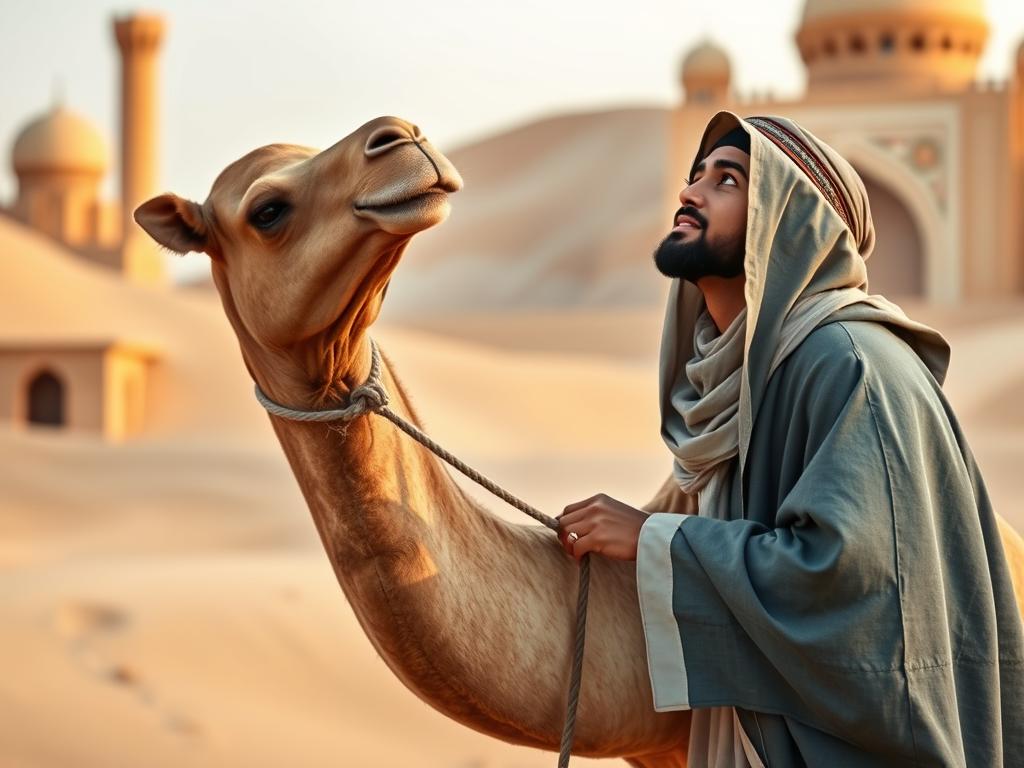
This balanced approach prevents both the extremes of negligence (claiming to trust while making no effort) and the illusion of self-sufficiency (believing our efforts alone determine outcomes). The believer who understands AL-WAKEEL takes appropriate action while maintaining a heart fully reliant on Allah.
5. Enhanced Spiritual Focus in Worship
When we recognize Allah as AL-WAKEEL, we understand that even our ability to worship depends on His assistance. This realization transforms our approach to spiritual practices, as we no longer rely solely on our own strength but continually seek Allah’s help in remembering, thanking, and worshiping Him properly.
Daily Supplication for Divine Assistance
Incorporate the Prophet’s supplication into your daily routine: “O Allah, help me to remember You, to thank You, and to worship You well.” This acknowledges your dependence on AL-WAKEEL even in matters of faith.
This approach creates a virtuous cycle: the more we recognize our need for Allah’s help in worship, the more sincerely we turn to Him, and the more assistance He provides. Our spiritual journey becomes characterized by humility and gratitude rather than pride in our own religious accomplishments.
Practical Ways to Integrate AL-WAKEEL into Daily Life
Understanding AL-WAKEEL intellectually is only the beginning. The true transformation comes when we actively integrate this divine name into our daily lives, allowing it to shape our thoughts, emotions, and actions. Here are practical ways to cultivate a living relationship with Allah as AL-WAKEEL:

Morning and Evening Remembrance
Begin and end each day by consciously entrusting your affairs to AL-WAKEEL. The Prophet Muhammad ﷺ taught us to recite specific morning and evening supplications that reinforce our reliance on Allah. Among these is: “In the name of Allah, with whose name nothing can harm on earth or in heaven, and He is the All-Hearing, the All-Knowing.”
By establishing this practice, you create spiritual bookends to your day, reminding yourself that all your activities occur under the watchful care of AL-WAKEEL.
Mindful Response to Challenges
When facing difficulties, train yourself to immediately turn to AL-WAKEEL rather than being consumed by worry or rushing to human solutions. Make “Hasbunallahu wa ni’mal wakeel” (Sufficient for us is Allah, and He is the best Disposer of affairs) your first response to any challenge.
This practice transforms your emotional response to difficulties, replacing anxiety with a calm certainty that the Best Guardian is managing your affairs.
Balanced Approach to Planning
While making necessary preparations for the future, maintain an inner awareness that outcomes remain in Allah’s hands. The Prophet ﷺ taught us to say “If Allah wills” (In sha Allah) when speaking of future plans, acknowledging that AL-WAKEEL may have arrangements different from our expectations.

This balanced approach prevents both the anxiety that comes from believing everything depends on our plans and the irresponsibility that might come from misunderstanding trust in Allah.
Regular Reflection on Divine Management
Take time regularly to reflect on how Allah has managed your affairs in the past. Consider instances where outcomes you initially perceived as negative ultimately led to positive results you could not have anticipated. This practice strengthens your trust in AL-WAKEEL’s perfect wisdom and timing.
Gratitude Journal Practice
Keep a journal where you record instances of Allah’s perfect management in your life. Review these entries during times of doubt to strengthen your trust in AL-WAKEEL.
Community Support in Trust
Share your journey of trusting in AL-WAKEEL with like-minded believers. When one person’s faith wavers, others can provide reminders and encouragement. The early Muslims strengthened each other’s trust in Allah during times of trial, and we can continue this beautiful tradition.
By surrounding yourself with those who recognize Allah as AL-WAKEEL, you create an environment where trust in divine management is reinforced rather than undermined by worldly perspectives.
Addressing Common Misconceptions About Trusting in AL-WAKEEL
While the concept of trusting in AL-WAKEEL is beautiful and empowering, it is sometimes misunderstood in ways that can lead to confusion or imbalance in one’s spiritual practice. Addressing these misconceptions helps us develop a more authentic relationship with this divine name.

Balanced Understanding
- Trusting in AL-WAKEEL while taking appropriate action
- Recognizing both divine decree and human responsibility
- Finding peace in outcomes while making sincere effort
- Seeking help from others while maintaining ultimate reliance on Allah
- Balancing planning with flexibility to divine guidance
Common Misunderstandings
- Passive fatalism that neglects necessary action
- Claiming trust while making no practical effort
- Excessive anxiety despite claiming to trust
- Placing ultimate reliance on created beings
- Rigid attachment to personal plans despite contrary signs
The most common misconception is that trusting in AL-WAKEEL means taking no action at all. This misunderstanding contradicts both the Quranic guidance and the example of Prophet Muhammad ﷺ, who took all necessary measures while maintaining complete trust in Allah’s management. True reliance on AL-WAKEEL means doing your part while recognizing that the outcome remains in Allah’s hands.
Another misconception is that trusting in AL-WAKEEL guarantees our preferred outcome in every situation. In reality, Allah’s management of our affairs is based on His perfect knowledge of what is truly best for us, which may differ from our limited perspective. True trust means accepting Allah’s decree with contentment, knowing that AL-WAKEEL’s plan is superior to our own.
Embracing AL-WAKEEL: A Journey of Faith and Serenity
Our exploration of AL-WAKEEL reveals not just a divine attribute to be intellectually understood, but a transformative relationship to be lived. When we truly recognize Allah as the Perfect Guardian, Trustee, and Disposer of Affairs, we experience a profound shift in how we navigate life’s challenges and opportunities.

Trusting in AL-WAKEEL liberates us from the prison of anxiety, the burden of excessive self-reliance, and the disappointment that comes from placing ultimate hope in created beings. Instead, we find ourselves embraced by a divine guardianship that never fails, never tires, and never abandons us even in our darkest moments.
This trust is not passive resignation but active surrender—a dynamic relationship in which we strive with all our ability while maintaining hearts completely reliant on Allah’s perfect management. It is the balance exemplified by the Prophet Muhammad ﷺ and his companions, who took all necessary measures while proclaiming, “Sufficient for us is Allah, and He is the best Disposer of affairs.”
As you continue your spiritual journey, may your understanding of AL-WAKEEL deepen from intellectual knowledge to lived experience. May you find, in moments of both ease and difficulty, the profound peace that comes from knowing you are under the care of the Perfect Guardian. And may your heart echo the beautiful supplication: “Hasbunallahu wa ni’mal wakeel”—truly, Allah is sufficient for us, and He is the best Disposer of affairs.
Deepen Your Connection with AL-WAKEEL
Begin your journey of trusting in Allah as your Guardian with our comprehensive guide to daily supplications and reflections centered on AL-WAKEEL.


