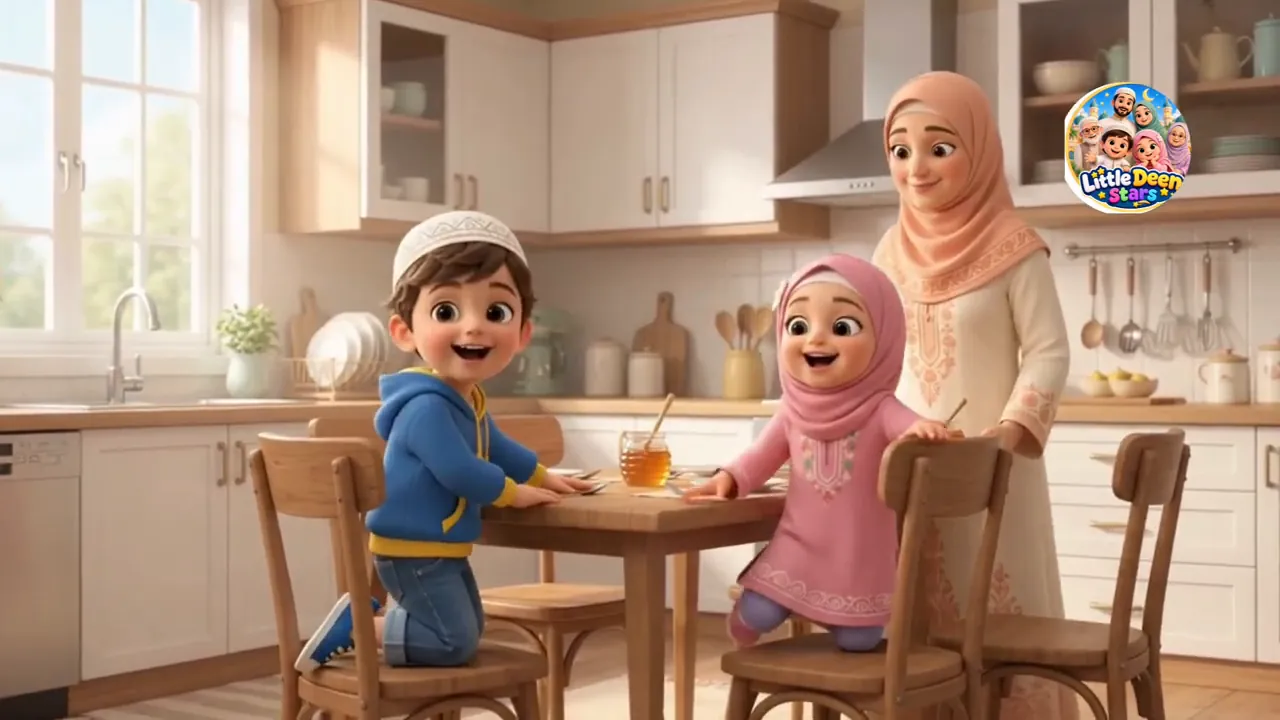
What are the most useful Islamic parenting tips for families? They start from a simple truth. The Prophet ﷺ said, “Every child is born with a true faith of Islam (i.e. to worship none but Allah Alone)…” (Sahih al-Bukhari 1385). Parents therefore have a gentle but important role: protecting and nurturing that natural faith.
Below are 11 practical Islamic parenting tips that bring traditional Islamic principles together with sensible, everyday parenting. Each one is simple enough to start this week.
Islamic Parenting Tips at a Glance
- Practical tips for nurturing children’s faith and values
- Insights into Islamic parenting principles
- Strategies for creating a spiritually enriching home environment
- Guidance on balancing traditional and modern parenting approaches
- Inspirational stories from Islamic heritage
1. Understand Islamic Principles in Parenting
The first of these Islamic parenting tips is to understand the principles behind them. Parenting with Islamic principles creates a caring space for kids to grow spiritually. We aim to raise our children with good morals and a strong faith.
At the core of Islamic parenting is faith in family life. A solid faith base is key for kids’ growth, helping them face life’s hurdles and make right choices. By living Islamic values daily, we enrich our children’s spiritual journey.
The Importance of Faith in Family Life
Faith shapes our kids’ identities and views of the world. It teaches them to be kind, honest, and respectful. By showing gratitude and patience, we teach our kids important lessons.
Integrating Islamic Values into Daily Routines
Adding Islamic values to our daily lives is easy and meaningful. Saying dua before meals and grace after can teach kids to be thankful. Reading Islamic stories together also strengthens these values.
2. Nurture a Positive Environment at Home
Among the most practical Islamic parenting tips is to make home a calm, welcoming place. We think it’s key to make our homes welcoming and supportive for kids. A positive home environment is vital for their emotional and spiritual growth.
Creating a Welcoming Space for Children
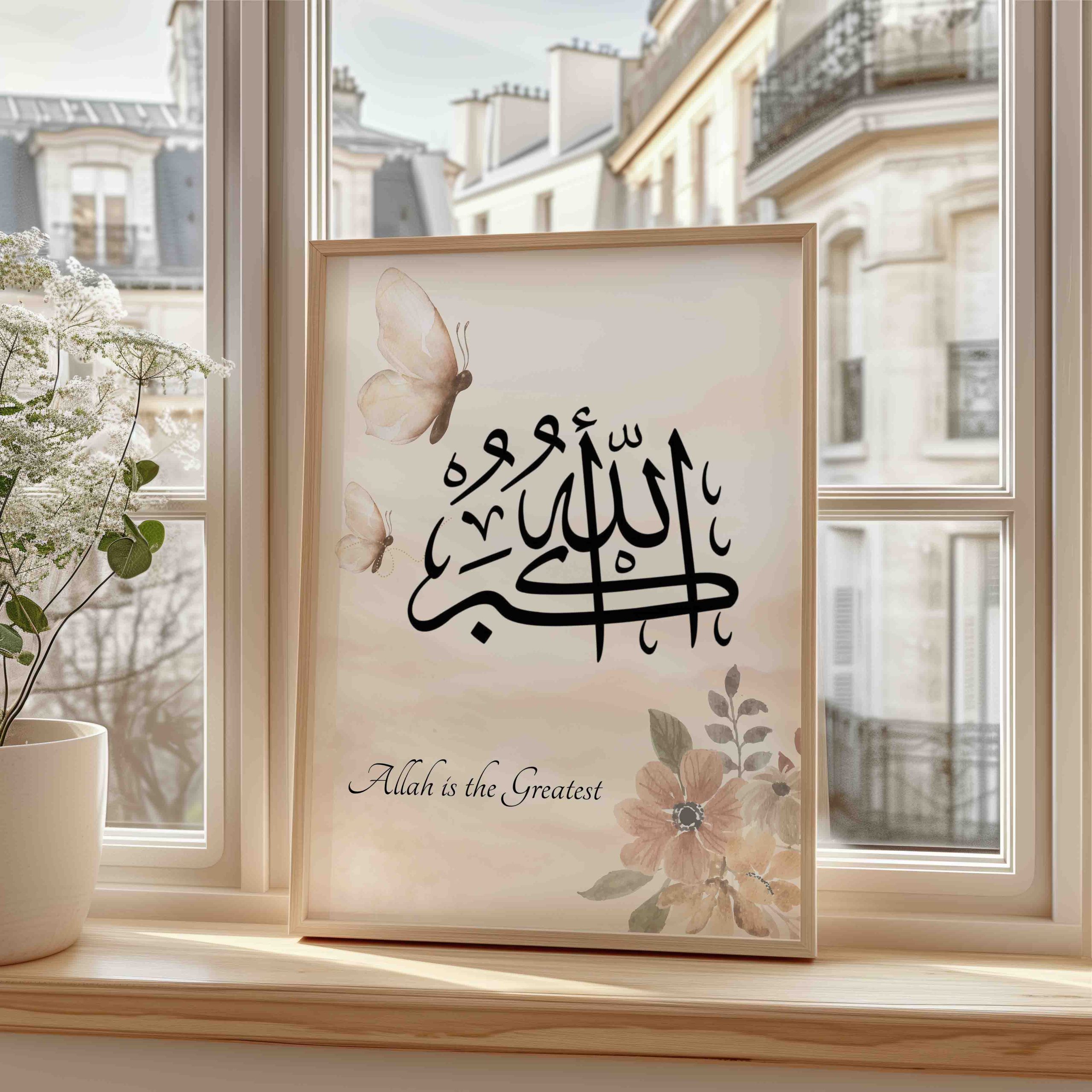
To make a welcoming space, we must think about our kids’ physical and emotional needs. We need a clean, safe, and comfy home where they feel safe and loved. Adding beautiful calligraphy or Islamic art can make the space more spiritual.

It’s also important to have special areas for prayer and reflection. This helps kids connect with their faith early on.
Encouraging Open Communication
Good communication is the heart of a positive home. We should aim to make a space where kids can share their thoughts and feelings freely. This means listening well, showing empathy, and guiding without judging.
Having regular family talks about Islamic values is also key. For example, sharing Quran and Hadith stories can teach valuable lessons. It encourages kids to ask questions and seek advice.
| Tips for Encouraging Open Communication | Benefits |
|---|---|
| Active Listening | Builds trust and understanding |
| Regular Family Discussions | Strengthens family bonds and promotes Islamic values |
| Sharing Islamic Stories | Provides moral guidance and encourages spiritual growth |
3. Emphasise Education and Knowledge
Several Islamic parenting tips centre on learning. As Muslim parents, we know how important a good education is for our kids. They need to learn both secular and Islamic subjects. This helps them do well in school and work, and stay true to their faith.
Islamic education is key in teaching our children about their faith. It teaches them about Islam and helps them become moral and compassionate. By making Islamic studies a part of their day, we give them a strong spiritual base.
The Role of Islamic Education in Childhood
Islamic education in childhood is crucial for a lifelong faith commitment. It starts with the basics of Islam, like the Five Pillars. It then moves on to more complex topics.
Learning about the Prophets and Islamic history makes education fun and relevant. It teaches them about their faith and gives them role models to follow.
Balancing Secular and Religious Learning
One big challenge for Muslim parents is balancing secular and religious education. Both are important for success in school and in life. We can mix both into our children’s daily routines.
We can set aside time for each. Using resources from trusted Islamic institutions helps deepen their faith understanding. For more tips on balancing education, check out our guide on Islamic lifestyle.
| Aspect | Secular Education | Islamic Education |
|---|---|---|
| Focus | Academic and professional skills | Spiritual growth and faith |
| Importance | Crucial for career success | Essential for moral and spiritual development |
| Examples | Mathematics, Science, Literature | Quranic studies, Hadith, Islamic history |
4. Build Strong Family Bonds
Many Islamic parenting tips come back to time spent together. We think strong family bonds are key for a child’s emotional and spiritual health. As parents, we aim to make a caring space where love, respect, and understanding grow.
The Significance of Family Activities
Doing things together as a family is great for bonding and making memories. It can be as simple as eating dinner together or as fun as going on outings or playing games. Quality time together makes our relationships stronger and our family closer.
Here are some fun family activities:
- Having a family movie night with Islamic films or documentaries
- Going on outdoor adventures like picnics or playing sports
- Cooking meals together and trying new recipes
- Doing community service projects as a family
Celebrating Islamic Occasions Together
Celebrating Islamic events is crucial for family bonding. Events like Eid al-Fitr and Eid al-Adha let us come together, think about our values, and grow our faith. Making these times special by involving our kids in the fun is a great idea.
Here are ways to celebrate Islamic occasions together:
| Occasion | Activities | Benefits |
|---|---|---|
| Eid al-Fitr | Preparing traditional foods, decorating the home, attending Eid prayers | Enhances family bonding, teaches children about the significance of Eid |
| Ramadan | Fast together, engage in Taraweeh prayers, read Quran | Fosters empathy and understanding of the importance of fasting |
5. Teach Values through Stories and Examples
Stories are one of the easiest ways to put Islamic parenting tips into practice. Stories are a great way to teach Islamic values to children. They grab young minds and make learning fun. This makes stories perfect for teaching important lessons.
Stories from the Quran and the lives of prophets teach us a lot. They show us the value of patience, honesty, and kindness. Sharing these stories helps our kids learn these lessons.
The Power of Prophetic Stories for Children
Prophetic stories are full of lessons on being good, staying strong, and believing. For example, the story of Prophet Yusuf (Joseph) teaches about jealousy and forgiveness.
Using Everyday Scenarios for Lessons
Everyday life is a great place to teach Islamic values. For instance, we can talk about being thankful and sharing during meals.
6. Instil Respect and Kindness
Good manners belong in any list of Islamic parenting tips. Respect and kindness are key in Islam and vital for parenting. As Muslim parents, we aim to raise kids who know their faith well. We also want them to live it every day.
Encouraging Good Manners through Practice
Good manners show how well a child was raised, and Islam values them a lot. We can teach our kids good manners by being a good example. We should also give them chances to practice these values.
Actions like saying “please” and “thank you” are basic but important. Greeting others with respect and being polite are also key. By doing these things every day, our kids learn to be respectful and kind.
For example, asking kids to help with chores teaches them responsibility. It also shows respect for others’ hard work.
The Importance of Empathy in Parenting
Empathy is a big part of Islamic teachings and is very important in parenting. Teaching our kids to understand and value others’ feelings makes them caring and compassionate. Empathy helps them build strong relationships and deal with social situations well.
To teach empathy, we can talk about different situations with our kids. We should ask them to think about how others might feel. This helps them understand others better and creates a more united community.
7. Foster a Love for Prayer and Worship
This is one of the Islamic parenting tips that shapes a child’s daily rhythm. Helping children love prayer and worship is key to their spiritual growth. As parents, we have a big role in this.
Introducing Prayer from an Early Age
Starting prayer with kids early can be very rewarding. It’s important to make it a positive and fun experience. We can include prayer in their daily routine, like before bed or during meals.
Using simple words helps kids grasp the value of prayer. We can tell them it’s a way to talk to Allah, say thanks, and ask for help.
Making Worship a Family Activity
Worshiping together as a family can bond us and create memories. Doing prayers together teaches kids about unity and cooperation in Islam.
We can make worship more fun by doing things like reciting Quran together or talking about the prayers. This helps kids understand and appreciate worship more.
Benefits of Family Worship
- Strengthens family bonds
- Creates a sense of unity and cooperation
- Provides an opportunity to teach children about Islamic values
- Helps children develop a deeper understanding of worship
“And enjoin prayer upon your family [and people] and be steadfast therein.”
— Qur’an 20:132, Saheeh International (quran.com)
This verse shows how important prayer is in our lives. It also reminds us of our role in teaching our kids to pray.
| Age Group | Approach to Introducing Prayer | Expected Outcome |
|---|---|---|
| 3-5 years | Simple explanations and making prayer fun | Develops a positive association with prayer |
| 6-10 years | Explaining the significance of prayer and involving them in prayer routines | Understands the importance of prayer and starts to develop a habit |
| 11+ years | Discussing the spiritual benefits of prayer and encouraging independent prayer | Deepens their understanding and commitment to prayer |
8. Guide Children through Challenges
Islamic parenting tips matter most when life gets difficult. Children face many challenges, and it’s our job as parents to guide them. We should do this with Islamic teachings in mind.
Addressing Moral Dilemmas with Islamic Teachings
Islamic teachings are great for solving moral problems. We can use stories from the Quran and Hadith to teach our kids. These stories help them make good choices.
The story of Prophet Yusuf (Joseph) teaches us about integrity, forgiveness, and the effects of our actions. Talking about these stories with our kids helps them apply Islamic values in everyday life.
Key Islamic Values for Children
| Islamic Value | Description | Example from Islamic Teachings |
|---|---|---|
| Integrity | Being honest and having strong moral principles | The story of Prophet Yusuf (Joseph) |
| Compassion | Showing empathy and kindness towards others | The teachings on kindness to parents and neighbours |
| Responsibility | Taking accountability for one’s actions | The concept of accountability on the Day of Judgement |
Providing Support during Tough Times
When things get hard, our kids need us to be there for them. It’s important to be supportive and understanding.
We can use Islamic practices like du’a (supplication) and dhikr (remembrance of Allah) to comfort them. Encouraging them to pray in hard times helps build their faith and strength.
9. Encourage Healthy Habits
Islamic parenting tips also cover the body, not only the heart. Teaching children healthy habits is key to a balanced family life in Islam. These habits improve their physical health and help their spiritual growth.
Nutrition according to Islamic Guidelines
Islam has clear guidance about food: eat what is halal (permitted) and good, and avoid what is forbidden. Mealtimes are a natural moment to talk with children about this.
Some main points of Islamic nutrition include:
- Eating halal foods that are good for health.
- Staying away from haram foods like pork and alcohol.
- Eating in balance and not too much, as Islam teaches.
Promoting Physical Activity and Well-being
Being active is also important. Walking, sport and outdoor play keep children healthy and give families time together.
To help with physical activity and health:
- Do outdoor activities together, like walking or biking, to bond and exercise.
- Teach kids sports and games that help them stay fit and work together.
- Make sure they get enough rest and balance, so exercise doesn’t hurt their recovery.
10. Lead by Example
Perhaps the most powerful of all Islamic parenting tips is the example parents set. As Muslim parents, we know our actions are more powerful than words. They guide our children on their spiritual path. How we live our lives deeply affects our kids’ view of Islamic values.
Practising What You Preach
It’s key to live by the Islamic values we want to teach our kids. We must be careful with our actions, making sure they match Islamic teachings. For example, if we want our kids to pray often, we must pray regularly too.
Key aspects to focus on include:
- Honesty in our interactions
- Kindness to others
- Patience in the face of challenges
By living these values, we create a space for our children to learn from us.
Demonstrating Islamic Values in Daily Life
It’s important to show Islamic values in our daily life. Saying “Bismillah” before meals or thanking after receiving something are simple ways. These actions show our kids how Islamic teachings work in real life.
Children learn good manners best when they see them in the adults around them.
To show Islamic values well, we can use a simple plan:
| Value | Action | Benefit |
|---|---|---|
| Compassion | Volunteering together as a family | Fosters empathy and kindness |
| Respect | Using polite language and gestures | Encourages harmonious relationships |
| Self-discipline | Maintaining a regular prayer schedule | Strengthens faith and self-control |
11. Keep Learning as a Parent
No list of Islamic parenting tips is ever complete, so learning continues. As parents, we aim to give our children the best upbringing, following Islamic teachings. Learning and getting better is key in this journey. It helps us teach our children Islamic values well.
Seeking Guidance from Renowned Islamic Scholars
Qualified scholars and teachers, such as the imam or teachers at your local mosque or Islamic centre, can answer questions about raising children. Well-referenced books on Islamic parenting are another good source. Their advice helps us bring Islamic values into modern family life.
Engaging with Community Parenting Initiatives
Joining community parenting workshops and projects is a great way to learn. We can share our experiences and gain from others. This teamwork creates a supportive space for learning how to raise children with Islamic values.
Keep a Reminder at Home
Small, visible reminders support many of these Islamic parenting tips. A word such as Alhamdulillah (“All praise belongs to Allah”) on the wall can open a conversation about gratitude.
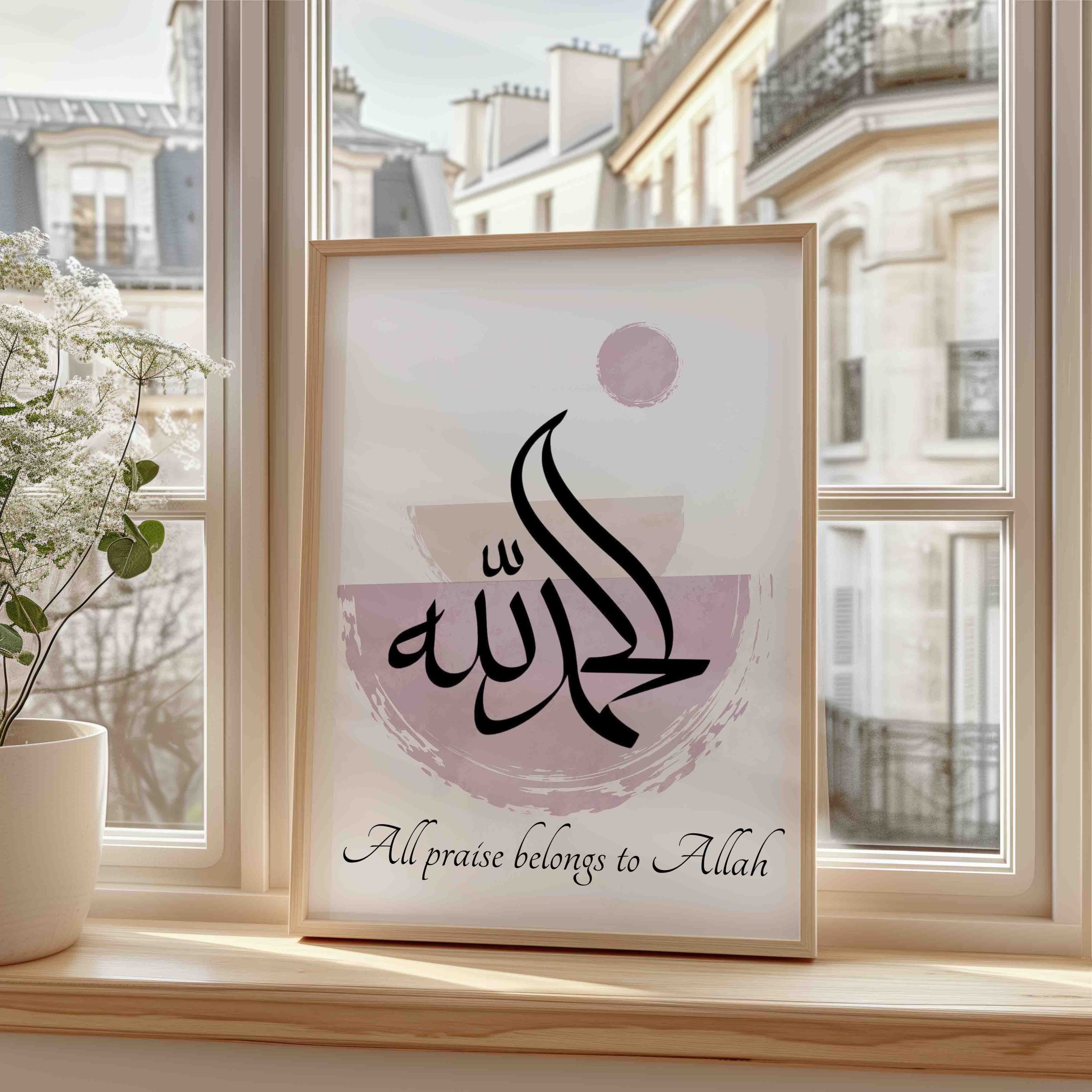
Explore our Alhamdulillah Premium Wall Art and Bismillah Digital Download. They are digital downloads supplied as high-resolution JPEG files for printing at home or at a local print shop; no physical item is shipped. Custom designs can be requested.
FAQ
What are some effective ways to integrate Islamic values into daily routines?
We can add Islamic values to our daily lives by reading the Quran, saying daily prayers, and giving to charity. These actions help create a caring environment. It supports our children’s spiritual and moral growth. These are simple Islamic parenting tips any family can begin today.
How can we encourage our children to develop a love for prayer and worship?
Introduce prayer early and make it fun and meaningful. Involve the whole family in worship. This builds unity and a shared goal. For prayer, consistency is one of the most helpful Islamic parenting tips.
What role does Islamic education play in a child's development?
Islamic education is key in shaping a child’s faith and values. It balances secular and religious learning. This gives children the knowledge and skills to thrive. That is why learning features in so many Islamic parenting tips.
How can we teach our children Islamic values through stories and examples?
Use prophetic stories and everyday examples to teach Islamic values. This helps children understand and embrace these values deeply. Stories turn Islamic parenting tips into something children remember.
What are some ways to build strong family bonds and create lasting memories?
Engage in family activities and celebrate Islamic occasions like Eid and Ramadan. These actions strengthen family bonds and create unity. Shared time is at the heart of many Islamic parenting tips.
How can we instil respect and kindness in our children?
Encourage good manners and teach empathy. This helps raise children who are kind and respectful to others. Practising manners daily keeps these Islamic parenting tips alive at home.
What is the significance of leading by example in parenting?
Being a role model is vital in parenting. Show Islamic values in your actions. This helps raise pious and faithful children. Children notice whether our actions match the Islamic parenting tips we talk about.
How can we continuously improve our parenting skills?
Seek knowledge from Islamic scholars and join parenting workshops. This makes you a better parent, nurturing Islamic values in your children. Qualified local teachers can also help you apply these Islamic parenting tips.