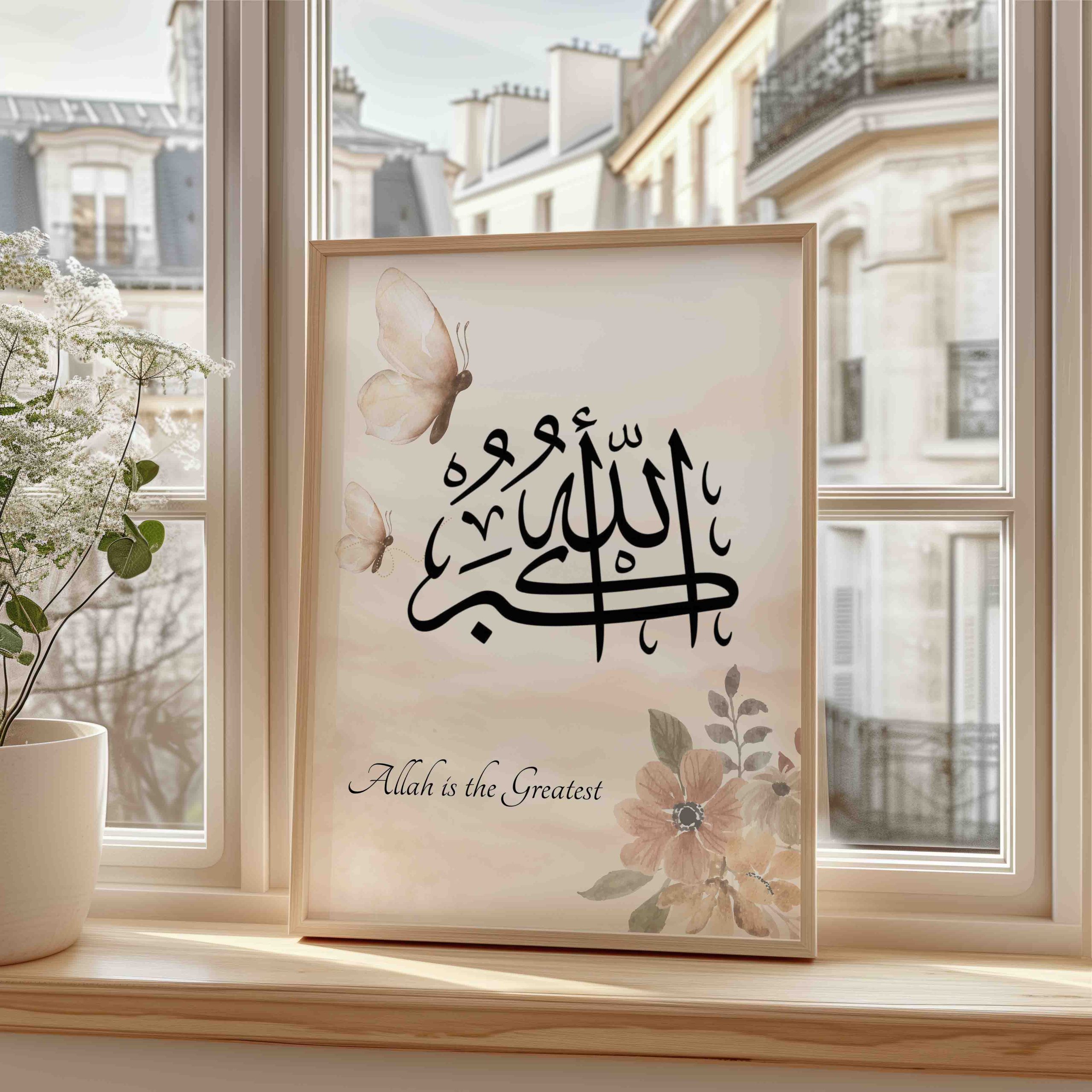
In the vast treasury of Islamic spirituality, the 99 names of Allah (Asma ul-Husna) serve as gateways to understanding the divine attributes. Among these profound names stands AL-HAQQ (الحق) – The Truth, The Reality, The Truly Existing. This name invites us to contemplate the nature of ultimate truth and how it manifests in our lives and universe. By exploring AL-HAQQ, we embark on a journey toward recognizing divine reality and embodying truthfulness in our daily existence.
The Linguistic Roots and Meaning of AL-HAQQ
The name AL-HAQQ derives from the Arabic root letters Ha-Qaf-Qaf (ح-ق-ق). In Arabic, the word has a shadda (emphasis) over the Qaf, which is why it’s often written with a double ‘q’ in English transliteration as “Haqq.” This root carries several interconnected meanings that help us understand the depth of this divine attribute.
“For that is Allāh, your Lord, the Truth. And what can be beyond truth except error? So how are you averted?”
(Qur’an 10:32, Saheeh International)
At its core, AL-HAQQ refers to that which is true, real, correct, proper, and genuine. It represents what is established as fact, what is necessary and unavoidable. When applied to Allah, it signifies that He is the Ultimate Reality – the only truly and eternally existing being whose essence is wisdom, justice, and truth.
Primary Meanings of AL-HAQQ
- Truth as opposed to falsehood
- Reality as opposed to illusion
- Genuine existence as opposed to temporary existence
- Justice and rightness in all matters
- That which is binding and unavoidable

When we understand that Allah is Al-Haqq, we recognise that He is the source of all truth. Everything else exists only because He brought it into being and sustains it. The Qur’an describes Allah as “the King, the Truth” in Surah Ta-Ha.
AL-HAQQ in the Quran and Hadith
The name AL-HAQQ appears in numerous verses throughout the Quran, emphasizing Allah’s true and real existence as well as the truth of His words, promises, and judgments. Let’s explore some key references:
Surah Yunus (10:32) and Surah Al-Hajj (22:62)
Surah Yunus, quoted above, contrasts Allah, the Truth, with the error that lies beyond it. Surah Al-Hajj makes the same contrast between Allah and everything else that people worship:
“That is because Allāh is the True Reality, and that which they call upon other than Him is falsehood, and because Allāh is the Most High, the Grand.”
(Qur’an 22:62, Saheeh International)
Surah Taha (20:114)
“So high [above all] is Allāh, the Sovereign, the Truth. And, [O Muḥammad], do not hasten with [recitation of] the Qur’ān before its revelation is completed to you, and say, “My Lord, increase me in knowledge.”
(Qur’an 20:114, Saheeh International)
In the hadith, the Prophet (peace be upon him) repeatedly called upon Allah as al-Haqq in his night prayer:
“When the Prophet (ﷺ) got up at night to offer the Tahajjud prayer, he used to say: Allahumma lakal-hamd. Anta qaiyyimus-samawati wal-ard wa man fihinna. Walakal-hamd, Laka mulkus-samawati wal-ard wa man fihinna. Walakal-hamd, anta nurus-samawati wal-ard. Wa lakal-hamd, anta-l-haq wa wa’duka-l-haq, wa liqa’uka Haq, wa qauluka Haq, wal-jannatu Haq wan-naru Haq wannabiyuna Haq. Wa Muhammadun, sallal-lahu’alaihi wasallam, Haq, was-sa’atu Haq…”
In this supplication, “You are the Truth, Your promise is true, the meeting with You is true, Your word is true, Paradise is true, the Fire is true, the Prophets are true, Muhammad is true, and the Hour is true” gathers the whole of faith around this one name.
The Theological Significance of AL-HAQQ
In Islamic theology, understanding Allah as AL-HAQQ has profound implications for how we view existence, truth, and our relationship with the divine and creation.
Allah as the Only True Reality
When we say Allah is Al-Haqq, we affirm that He alone has true, eternal and independent existence. Everything in creation exists only because Allah brought it from non-existence into being, and it continues to exist only by His will and power.
Truth as Divine Attribute
AL-HAQQ also signifies that Allah’s essence is truth itself. His words are true, His promises are true, His warnings are true, and His judgments are true. There is no falsehood or deception in anything related to the divine. This understanding establishes absolute trust in divine revelation and guidance.
The Day When the Truth Becomes Clear
The Qur’an teaches that on the Day of Judgement, every person will see clearly that Allah is the Truth, and that His justice is perfect:
“That Day, Allāh will pay them in full their true [i.e., deserved] recompense, and they will know that it is Allāh who is the manifest Truth [i.e., perfect in justice].”
(Qur’an 24:25, Saheeh International)
In this life, truth can be hidden, disputed or ignored. On that Day, nothing will remain hidden. This gives believers patience when truth seems to lose in the short term, because the final word belongs to Al-Haqq. It also gives them a reason to live truthfully now, rather than waiting for that Day to reveal what they were.
The Qur’an also describes how falsehood cannot stand when truth arrives:
“And say, “Truth has come, and falsehood has departed. Indeed is falsehood, [by nature], ever bound to depart.”
(Qur’an 17:81, Saheeh International)
The concept of AL-HAQQ invites us to recognize the temporary nature of this world and the eternal reality of Allah. It reminds us that beyond the changing appearances of this life lies an unchanging truth that gives meaning and purpose to existence. By connecting with AL-HAQQ, we align ourselves with ultimate reality rather than illusion.
“And do not invoke with Allāh another deity. There is no deity except Him. Everything will be destroyed except His Face. His is the judgement, and to Him you will be returned.”
(Qur’an 28:88, Saheeh International)
Spiritual Benefits of Reflecting on AL-HAQQ
Contemplating Allah as AL-HAQQ offers numerous spiritual benefits that can transform our inner life and outer conduct. These reflections help us develop a more authentic relationship with reality and truth in all its dimensions.

Strengthening Faith
Understanding Allah as AL-HAQQ strengthens our faith by establishing it on the foundation of ultimate reality. When we recognize that Allah is the only true existence, our trust in His guidance becomes unshakable, even amid life’s uncertainties.
Developing Discernment
Reflecting on AL-HAQQ sharpens our ability to distinguish between truth and falsehood, reality and illusion. It helps us see beyond appearances and recognize the deeper realities that shape our world and experiences.
Finding Certainty
In a world filled with doubt and confusion, connecting with AL-HAQQ provides a source of certainty and clarity. It offers an anchor point that remains stable regardless of changing circumstances or opinions.
As we internalize the meaning of AL-HAQQ, we naturally begin to align our thoughts, words, and actions with truth. We become more honest with ourselves and others, more committed to justice, and more attuned to the reality of our spiritual nature and purpose.
Practical Applications of AL-HAQQ in Daily Life
The divine name AL-HAQQ isn’t merely a theological concept but a living reality that can transform how we navigate our daily lives. Here are practical ways to embody this divine attribute in contemporary contexts:

Embracing Truthfulness
The most direct application of AL-HAQQ is cultivating absolute truthfulness in speech and action. This means speaking honestly, fulfilling promises, avoiding deception, and maintaining integrity even when it’s difficult. In a world where “alternative facts” and misinformation spread rapidly, embodying truth becomes a powerful spiritual practice and social responsibility.
The Prophet (peace be upon him) described where truthfulness leads:
“Truthfulness leads to righteousness, and righteousness leads to Paradise. And a man keeps on telling the truth until he becomes a truthful person. Falsehood leads to Al-Fajur (wickedness, evil-doing), and Al-Fajur leads to the (Hell) Fire, and a man may keep on telling lies till he is written before Allah, a liar.”
Pursuing Justice
Since AL-HAQQ encompasses justice and rightness, embodying this name means standing firmly for justice in all contexts. This includes advocating for the rights of the oppressed, ensuring fairness in business dealings, and maintaining balance in personal relationships.
The Qur’an ties truth closely to justice:
“O you who have believed, be persistently standing firm in justice, witnesses for Allāh, even if it be against yourselves or parents and relatives. Whether one is rich or poor, Allāh is more worthy of both. So follow not [personal] inclination, lest you not be just. And if you distort [your testimony] or refuse [to give it], then indeed Allāh is ever, of what you do, Aware.”
(Qur’an 4:135, Saheeh International)
Combating Misinformation
In our digital age, misinformation spreads rapidly through social media and other channels. As people who honor AL-HAQQ, we have a responsibility to verify information before sharing it, correct falsehoods respectfully, and promote media literacy. The Prophet (peace be upon him) warned: “It is enough falsehood for a man to relate everything he hears” (Sunan Abi Dawud 4992, graded sahih by al-Albani). By being mindful of what we consume and share, we become guardians of truth in our information ecosystem.
“O you who have believed, fear Allāh and be with those who are true.”
(Qur’an 9:119, Saheeh International)
Authentic Self-Development
AL-HAQQ also invites us to be truthful with ourselves about our strengths, weaknesses, and areas for growth. This honest self-assessment is the foundation of genuine spiritual and personal development. By acknowledging our true condition without self-deception, we can work sincerely toward improvement and seek divine assistance from a place of authenticity.
AL-HAQQ in the Face of Contemporary Challenges
The concept of AL-HAQQ offers valuable guidance for navigating many of today’s most pressing challenges. In a post-truth era where subjective feelings often override objective facts, reconnecting with the divine attribute of truth becomes increasingly important.

Digital Discernment
In our information-saturated world, discerning truth from falsehood requires vigilance and critical thinking. The concept of AL-HAQQ reminds us to seek verification, consider sources carefully, and prioritize accuracy over sensationalism or confirmation bias.
Authentic Presence
Social media often encourages curated self-presentation rather than authentic expression. Embodying AL-HAQQ means cultivating genuine presence online and offline, presenting ourselves truthfully rather than creating false impressions to gain approval.
Ethical Consumption
Understanding AL-HAQQ encourages us to face the truth about our consumption habits and their impact on others and the environment. This awareness can guide us toward more ethical choices that align with reality rather than convenience.
By grounding ourselves in the divine attribute of AL-HAQQ, we develop resilience against the relativism and confusion that characterize many aspects of contemporary culture. We become anchored in a transcendent truth that provides clarity and direction amid shifting social trends and competing worldviews.
Al-Haqq in Arabic Calligraphy and the Home
The name الحق (this name) is short and visually striking, which makes it well suited to minimalist calligraphy in a study, office or hallway. It can serve as a daily reminder to speak truthfully and act justly. When choosing a design, check that the Arabic spelling is correct and that the lettering is legible at the size you plan to print.
Our Al-Haqq artwork is an digital download supplied as high-resolution JPEG files for printing at home or at a local print shop. No physical item is shipped. If you would like a different layout or colour scheme, custom designs can be requested.

Our Al-Haqq calligraphy digital download calligraphy design is an digital download; no physical item is shipped. Please see the product page for the files and print sizes included.
Explore the full 99 Names of Allah collection for other calligraphy designs.
Embracing AL-HAQQ in Our Spiritual Journey
As we conclude our exploration of AL-HAQQ, we recognize that this divine name offers profound guidance for navigating both our spiritual journey and everyday challenges. By understanding Allah as The Truth and Ultimate Reality, we gain a compass that points consistently toward authenticity, justice, and genuine existence.
In a world often marked by deception, half-truths and illusions, reflecting on Al-Haqq brings clarity and purpose. It reminds us that behind the changing appearances of this life stands the unchanging truth of Allah, His promise and His meeting. By committing ourselves to truth in belief, word and action, we live in harmony with the purpose for which we were created.
May our reflection on AL-HAQQ inspire us to be people of truth, standing firmly for justice, speaking honestly in all circumstances, and recognizing the divine reality that underlies all existence. In doing so, we not only honor the divine name but also contribute to a world more aligned with truth, justice, and authentic being.
Frequently Asked Questions about Al-Haqq
What does Al-Haqq mean?
This name means the Truth: the One whose existence is real, necessary and eternal, whose word, promise and judgement are true. It comes from the Arabic root h-q-q, which carries meanings of truth, reality, rightness and what is due.
Where is Al-Haqq mentioned in the Qur’an?
Allah is called al-Haqq in several verses, including Surah Yunus 10:32, Surah Al-Hajj 22:62, Surah Ta-Ha 20:114 and Surah An-Nur 24:25.
How is Al-Haqq different from Al-Adl (the Just)?
Al-Adl emphasises Allah’s perfect justice in judgement. This name is broader: it describes Allah as the true and real God whose existence, words, promises and judgements are all true.
Is there a dua that calls on Allah as Al-Haqq?
Yes. In his night prayer, the Prophet (peace be upon him) said “anta this name, wa wa’duka this name”, “You are the Truth and Your promise is true” (Sahih al-Bukhari 1120). His opening supplication for the night prayer also asked Allah to guide him to the truth in matters of disagreement (Sahih Muslim 770).
Is there a conflict between Al-Haqq and scientific truth?
Muslims believe Allah is the Creator of the natural world, so accurate knowledge of creation is not in conflict with revealed truth. Many Muslim scholars throughout history studied the natural world as a way of reflecting on Allah’s creation.
What file do I receive with the Al-Haqq artwork?
You receive high-resolution JPEG files as an digital download, suitable for printing at standard sizes. No physical item is shipped.