
Allah’s Name Al-Mani: The Divine Withholder and Protector
In the vast treasury of Islamic theology, Allah’s 99 beautiful names (Asma ul-Husna) serve as windows into understanding His divine attributes and essence. Among these names is Al-Mani (The Withholder, The Preventer), which reveals Allah’s wisdom in what He chooses to withhold or prevent. This name invites us to contemplate how divine prevention often manifests as protection, and how apparent denial may conceal profound blessings.
The Meaning of Al-Mani in Islamic Theology
The Arabic calligraphy of Al-Mani (المانع) – The Withholder, The Preventer
Al-Mani derives from the Arabic root “mim-nun-ayn” (م ن ع), which carries several interconnected meanings: to prevent, hinder, hold back, restrain, deny, impede, resist, forbid, refuse, prohibit, guard, defend, or protect. As one of Allah’s names, Al-Mani represents His divine attribute of withholding or preventing according to His perfect wisdom.
When we understand Al-Mani, we recognise that Allah is:
- The One who withholds what is harmful, even when we perceive it as beneficial
- The Protector who shields us from dangers we may not see or understand
- The Preventer who stops harmful actions or outcomes through His mercy
- The One who withholds according to His wisdom, not from stinginess or limitation
It’s important to note that Al-Mani complements Allah’s name, Al-Wahhab (The Bestower of Gifts). Together, these names reveal that Allah both gives and withholds according to His perfect knowledge and wisdom. When He withholds, it is never from inability or limitation but from knowing what is truly best for His creation.
Theological Basis: Quranic Verses and Hadith References
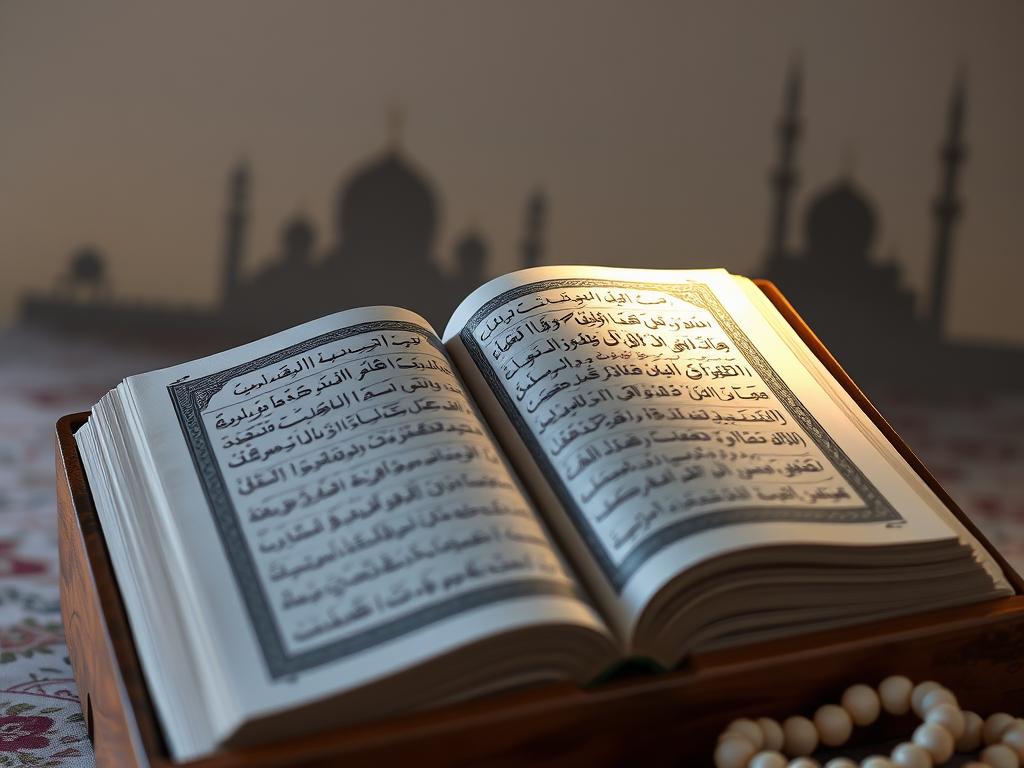
While Al-Mani is not explicitly mentioned as a divine name in the Quran, its concept is woven throughout many verses demonstrating Allah’s power to withhold and prevent. The name appears in the well-known list of 99 Names reported by at-Tirmidhi (3507), which hadith specialists regard as weak in its chain; its meaning, however, is supported by the Qur’an and by authentic hadith.
Quranic References to Divine Prevention
“Or who is it that could provide for you if He withheld His provision? But they have persisted in insolence and aversion.”
— Quran 67:21
This verse powerfully illustrates that if Allah were to withhold His provision, no one else could provide it. It emphasises His absolute control over what is given and what is withheld.
“Indeed, Allāh defends those who have believed. Indeed, Allāh does not like everyone treacherous and ungrateful.”
— Quran 22:38
Here, Allah’s attribute as a defender and protector is highlighted, showing how He prevents harm from reaching the believers.
Hadith Confirming Al-Mani

The clearest connection comes from an authentic hadith recorded by Imam Bukhari. After every obligatory prayer, the Prophet ﷺ would say:
“There is no Deity but Allah, Alone, no Partner to Him. His is the Kingdom and all praise, and Omnipotent is he. O Allah! Nobody can hold back what you gave, nobody can give what You held back, and no struggler’s effort can benefit against You.”
This supplication explicitly acknowledges Allah’s absolute authority in giving and withholding. The phrase “nobody can give what you held back” uses the same Arabic root as Al-Mani (lā māni’a, “none can withhold”) – affirming that what Allah prevents cannot be overridden by any force or being.
Interpretations: Divine Wisdom in Withholding
When we experience Allah as Al-Mani in our lives, it often manifests in three primary ways, each containing profound wisdom:
Withholding Harm as Protection
The most merciful aspect of Al-Mani is when Allah prevents harm from reaching us. Like a parent who stops a child from touching a hot stove, Allah’s prevention is often protection. We may never know how many accidents, illnesses, or calamities have been averted through His attribute as Al-Mani.
When we face a closed door or a prevented opportunity, we should consider that Allah may shield us from unseen harm or direct us toward a better path. As the Quran states: “But perhaps you hate a thing and it is good for you; and perhaps you love a thing and it is bad for you. And Allah knows, while you know not.” (Qur’an 2:216)
Withholding Blessings as Wisdom

Sometimes Allah withholds what we desperately desire – wealth, relationships, success, children – not as punishment, but from perfect wisdom. This withholding may be:
- To test and strengthen our faith and patience
- To prevent us from becoming attached to worldly things
- To direct us toward what is better for our spiritual growth
- To teach us gratitude for what we already have
When we understand Allah as Al-Mani, we recognize that His withholding is never from stinginess or limitation but from knowing what we truly need rather than what we merely want.
Withholding Outcomes as Divine Decree
Allah sometimes prevents specific outcomes from materializing despite our best efforts. A business may fail despite hard work, or a relationship may end despite sincere intentions. As Al-Mani, Allah may prevent these outcomes because:
- He has decreed a different path that ultimately leads to the greater good
- The timing is not correct, and what is prevented now may be granted later
- He is teaching us reliance on Him rather than on our efforts
Real-Life Examples of Al-Mani's Manifestation

Protection from Disasters
Many of us recall instances when we missed a flight that later encountered problems, or were delayed from attending an event where something unfortunate occurred. These “coincidences” may be manifestations of Allah as Al-Mani, preventing us from harm we could never have anticipated.
Withheld Desires for the Greater Good

Many people have experienced the disappointment of not getting a job they desperately wanted, only to receive a far better opportunity later. Others have experienced the end of a relationship that caused pain, only to find a more suitable partner later. These are examples of how Allah, as Al-Mani, sometimes withholds what we think we want to give us what He knows we need.
Prevented Success Leading to Spiritual Growth
There are countless stories of people whose worldly failures catalysed spiritual awakening. A business collapse that leads to rediscovering faith, or an illness that prevents normal activities but opens time for prayer and reflection – these can be manifestations of Al-Mani working in ways we only understand in retrospect.
Reflection Point: Think about when something you desperately wanted was withheld from you. Looking back now, can you identify any wisdom or blessing in that prevention? How might Allah have been protecting you through His attribute as Al-Mani?
Practical Guidance: Reflecting on Al-Mani in Daily Life

In Prayer and Supplication
When making dua (supplication), acknowledge Allah as Al-Mani by:
- Asking for protection from what is harmful, even if it appears desirable
- Expressing trust in His wisdom when requests are not granted
- Thanking Him for both what He gives and what He withholds
- Reciting the Prophet’s supplication after prayers that acknowledges “nobody can give what You have withheld”
During Times of Disappointment
When facing disappointment over something withheld or prevented:
- Practice saying “Alhamdulillah” (praise be to Allah) for both ease and hardship
- Remember that Allah’s knowledge is complete while ours is limited
- Look for the possible wisdom or protection in what has been prevented
- Maintain husn al-dhann (a good opinion) of Allah, trusting His decision
Three Benefits of Contemplating Al-Mani
1. Increased Contentment
Understanding that Allah withholds with wisdom helps us accept our circumstances with greater peace. Rather than feeling deprived, we trust that what is withheld is prevented out of mercy and wisdom.
2. Enhanced Gratitude
Recognizing Allah as Al-Mani helps us appreciate what we have been given rather than focusing on what has been withheld. We become more grateful knowing that both giving and withholding come from the same divine wisdom.
3. Spiritual Protection
Acknowledging Allah as Al-Mani shields us from the spiritual dangers of entitlement and discontent. We develop spiritual resilience by trusting in divine wisdom rather than demanding our desires be fulfilled.
Al-Mani in Modern Context

In our contemporary world, Allah’s attribute as Al-Mani takes on new dimensions as we face modern challenges and threats:
Mental Health Challenges and Divine Prevention
In an era where mental health challenges are increasingly recognized, we can understand Allah as Al-Mani in how He may prevent psychological harm through:
- Guiding us away from environments or relationships that would damage our mental wellbeing
- Preventing us from developing harmful thought patterns through spiritual guidance
- Protecting our peace of mind in ways we may not recognise until later
The Islamic practices of dhikr (remembrance of Allah), regular prayer, and Quran recitation can bring comfort and steadiness. They are not a substitute for professional help, and anyone struggling with their mental health should also seek qualified support.
Economic Protection in Uncertain Times
In periods of economic instability, Allah as Al-Mani may manifest through:
- Preventing us from making investments that would later fail
- Creating “obstacles” that keep us from making financial decisions that would lead to hardship
- Guiding us toward sustainable livelihoods that provide during difficult times
Frequently Asked Questions About Al-Mani
Is Al-Mani mentioned directly in the Quran?
Al-Mani is not explicitly mentioned as one of Allah’s names in the Quran. It appears in the list of names reported by at-Tirmidhi (3507), which is regarded as weak in its chain, and its meaning is reflected in the authentic supplication the Prophet ﷺ recited after prayers (Sahih al-Bukhari 844). However, the concept of Allah withholding and preventing is found throughout the Quran in verses that describe His absolute control over provision and protection.
How can I reconcile feeling disappointed when something is withheld with faith in Allah's wisdom?
It is natural for humans to feel disappointment when something we desire is withheld. Islam doesn’t require the absence of such feelings, but instead encourages us to complement them with trust in Allah’s wisdom. The Prophet Muhammad ﷺ taught us to say “Qaddarallahu wa ma sha’a fa’ala” (Allah has decreed, and what He willed, He did) when facing disappointment (Sahih Muslim 2664). This acknowledgement helps us accept divine wisdom while still honouring our human emotions.
How does Al-Mani differ from Al-Qabid (The Withholder)?
While there is some overlap in meaning, Al-Qabid (The Withholder/Constrictor) typically refers to Allah’s control over provision and sustenance, often paired with Al-Basit (The Expander). Al-Mani has a broader application, referring to Allah’s prevention of harm, withholding outcomes, and protection through denial. Al-Mani focuses more on the protective aspect of withholding, while Al-Qabid emphasises Allah’s control over resources and provision.
Can we call upon Allah using the name Al-Mani in our supplications?
Yes, calling upon Allah using the name Al-Mani in supplications is permissible, particularly when seeking protection or accepting what has been withheld with good faith. For example, one might say: “Ya Mani, protect me from what is harmful even if it appears beneficial to me” or “Ya Mani, I trust in Your wisdom in what You have withheld from me.”

Embracing the Wisdom of Al-Mani in Our Lives
Understanding Allah as Al-Mani transforms how we view the apparent denials and preventions in our lives. What seems like disappointment may be protection; what feels like denial may be direction toward something better. We develop a deeper trust in Allah’s perfect wisdom and timing by embracing this divine attribute.
When we face closed doors, delayed dreams, or prevented plans, let us remember that the same hand that withholds also gives abundantly. Allah’s prevention is never punishment without purpose or denial without direction. As the Quran beautifully reminds us: “But perhaps you hate a thing and it is good for you; and perhaps you love a thing and it is bad for you. And Allāh knows, while you know not.” (Qur’an 2:216)
May we find peace in what Allah gives and what He withholds, recognising that both flow from the same perfect wisdom and boundless mercy. In embracing Al-Mani, we discover that sometimes the greatest gift is what has been prevented, and the most significant protection lies in what has been withheld.

Our Al-Mani calligraphy design is an digital download; no physical item is shipped. Please see the product page for the files and print sizes included.
Explore the full 99 Names of Allah collection for other calligraphy designs.
Continue Your Spiritual Journey
Explore the Names of Allah through our articles and our printable 99 Names of Allah collection.