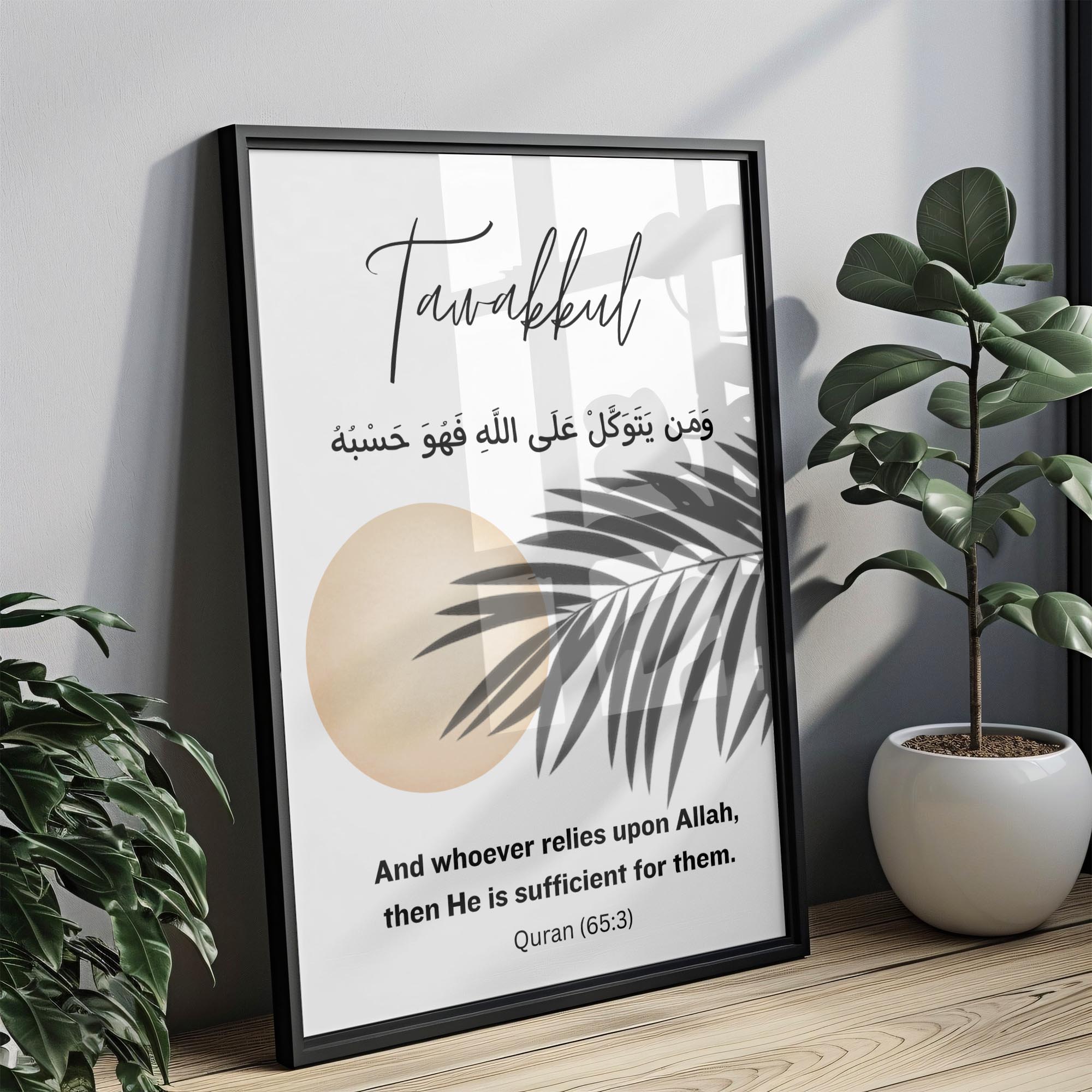
Why share hadith stories for kids? The sayings and actions of the Prophet Muhammad ﷺ, recorded in the hadith, give children clear, memorable lessons in good character. This guide gathers 9 values, each with an authentic hadith you can check yourself, plus simple activities to bring the lesson home.
Sharing these stories with kids educates them about Islam and gives them a strong moral compass. By exploring these inspirational tales, children gain a deeper understanding of Islamic values. They learn how to apply these values in their daily lives.
Islamic Hadith stories are full of lessons on compassion, honesty, and perseverance. These stories connect traditional Islamic teachings with modern values. They are a valuable resource for parents and educators.
Hadith Stories for Kids: Key Takeaways
- Islamic Hadith stories offer moral guidance for children.
- These stories teach valuable life lessons such as compassion and honesty.
- Sharing Hadith stories with kids helps instil Islamic values.
- The stories provide a link between traditional and modern values.
- They are an essential tool for parents and educators.
Introduction to Hadith and Its Importance in Islam
Understanding Hadith is key to knowing Islamic teachings and how to live by them. Hadith means “report” or “narrative” in Arabic. It includes the sayings, actions, and approvals of Prophet Muhammad.
What is Hadith?
Hadith is a major source of guidance for Muslims, alongside the Qur’an. It covers worship, manners and everyday life.
Scholars grade each hadith by the reliability of its chain of narrators. The collections of Sahih al-Bukhari and Sahih Muslim are regarded as the most reliable. When choosing hadith stories for kids, check the source and its grading, for example on sunnah.com.
How Hadith Shapes Moral Values
Hadith is crucial in shaping moral values in Islam. It shows how to live by Islamic teachings every day. For example, it teaches children the value of honesty, kindness, and respect.
For example, the Prophet ﷺ described the best people in a single sentence:
“The best among you are the best in character (having good manners).”
The Role of Hadith in Children's Education
Adding Hadith to children’s education is vital for teaching Islamic values early. It makes Islamic teachings practical and relatable for kids.
Teaching Hadith to children can be fun through stories, discussions, and activities. For example, parents and teachers can use Hadith to teach kids about honesty and kindness. This is part of Islamic Values for Kids.
- Using stories from Hadith to illustrate moral lessons.
- Encouraging children to reflect on how they can apply Hadith teachings in their daily lives.
- Incorporating Hadith into daily routines, such as during morning or bedtime.
1. Kindness: The Prophet’s Example
Kindness is the natural place to begin with hadith stories for kids. The story of Prophet Muhammad’s kindness shows us the value of empathy and generosity. His life and teachings, as found in Hadith, teach us about kindness and compassion.
An Overview of His Life
Prophet Muhammad was known for his kindness and compassion. Before he became a prophet, he was respected for being trustworthy and gentle. He treated animals with kindness, teaching others to respect all creatures.
His life was filled with acts of kindness, such as:
- He treated his family and neighbours with patience and understanding.
- He visited the sick and attended funerals, showing empathy and solidarity.
- He gave to the poor without expecting anything in return.
Teachings of Kindness in Hadith
The Prophet ﷺ said:
“Kindness is not to be found in anything but that it adds to its beauty and it is not withdrawn from anything but it makes it defective.”
Some Hadith that highlight kindness include:
- Kindness to animals: the Prophet ﷺ told of a man whom Allah forgave for giving water to a thirsty dog (Sahih al-Bukhari 2363).
- Kindness to parents and relatives, which the Prophet ﷺ stressed in many hadith.
Activities to Teach Kindness
Teaching kindness to children can be fun. Here are some tips:
- Encourage kids to help with charity, like collecting and giving away unused items.
- Read books about kindness from the life of Prophet Muhammad and other prophets.
- Use role-playing to show kids how kindness works in real life.
2. Patience
Hadith stories for kids teach that patience is part of a believer’s everyday life. The Prophet ﷺ said:
“Strange are the ways of a believer for there is good in every affair of his… if he gets into trouble and shows resignation (and endures it patiently), there is a good for him in it.”

Stories of Patience in the Life of Prophets
Prophets in Islam faced many challenges but remained patient. Prophet Job (Ayyub) is known for his patience. His story teaches kids that patience is not just waiting; it’s about facing challenges with faith.
Prophet Muhammad (peace be upon him) also showed great patience. He faced persecution in Mecca but never gave up. These stories motivate kids to be patient like the prophets.
Practical Applications for Children
Teaching kids patience is about using simple strategies. We can teach them to wait their turn and listen to others. This helps them learn self-control and the value of waiting.
Waiting for a treat or taking turns in games are good ways to practice patience. We should praise their patience and help them see its benefits.
Fun Activities to Foster Patience
Fun activities are great for teaching patience. Gardening, for example, teaches kids to wait for seeds to grow. Cooking is another activity where they learn to wait for food to be ready.
Puzzles and storytelling also teach patience. Kids learn about patience from characters in stories. These activities make learning fun and interactive.
3. Honesty
Honesty appears again and again in hadith stories for kids. Honesty is a key value in Islam, shown through many Hadith stories. It’s not just a good deed but a core part of being a Muslim.

Stories of Honesty in Hadith
The Hadith stories are full of examples of honesty’s importance. Prophet Muhammad’s (peace be upon him) life shows his honesty and integrity. He was called Al-Amin (the trustworthy).
“Truthfulness leads to righteousness, and righteousness leads to Paradise.”
The Consequences of Dishonesty
Dishonesty can cause mistrust and harm relationships. Islamic teachings warn against lying. They urge Muslims to always tell the truth, even when it’s hard.
Encouraging Honesty Through Games
Games can help teach kids to be honest. For example, role-playing games teach them to always tell the truth. This is very educational.
- Truth-telling games
- Role-playing scenarios
- Storytelling sessions based on Hadith
4. Charity and Generosity
Hadith stories for kids about charity show that giving is for everyone. Charity and generosity are key virtues in a Muslim’s life, as shown by Prophet Muhammad’s Hadiths. These values are central to Islamic teachings. They stress the need to care for others and help the community.
Stories Highlighting Charity in Hadith
The Prophet ﷺ was known for his generosity, and he taught:
“Charity does not decrease wealth…”
Benefits of Being Generous
Being generous brings many benefits, for both the giver and the receiver. It builds a strong community, encourages empathy, and creates a positive atmosphere. In Islam, giving is seen as a way to purify wealth and soul.
Some key benefits include:
- Strengthening community bonds
- Promoting a culture of kindness and empathy
- Enhancing personal growth and spiritual development
Creative Ways to Teach Charity
Teaching charity to children can be very rewarding. Here are some creative ways to teach this value:
- Engage children in charity activities, such as donating to local food banks or participating in community clean-up events.
- Use storytelling to share Hadiths that highlight the importance of charity.
- Encourage children to save a portion of their allowance for charity, teaching them the value of giving.
5. Respect for Parents and Others
Respect is a theme running through many hadith stories for kids. Hadith teaches children about respect in Islam. It helps them understand community and compassion. Respect is key in Islamic teachings, guiding how we treat others.
Illustrating Respect for Parents
A man asked the Prophet ﷺ who most deserved his good company. He answered “Your mother” three times, and then “Your father” (Sahih al-Bukhari 5971). This shows how highly Islam values caring for parents.
Encourage kids to show respect by helping out. They can assist with chores or cook for their parents. This builds a strong bond.
Respecting Elders and Peers
Respect in Islam goes beyond parents. It includes elders and friends too. The Prophet Muhammad (peace be upon him) always showed respect to everyone.
Teach kids to listen, help, and be polite to elders. For friends, they should be kind, understanding, and fair. This builds a community based on respect.
Craft Projects to Encourage Respect
Crafts are a fun way to teach respect. Making cards or gifts for parents or elders shows gratitude. It’s a way to express respect creatively.
| Craft Project | Description | Learning Outcome |
|---|---|---|
| Respect Cards | Children create cards for their parents or elders, expressing gratitude and respect. | Appreciation for others |
| Kindness Chain | Children make a paper chain with acts of kindness written on each link. | Understanding the value of kindness |
| Family Tree | Children create a family tree, learning about their heritage and respecting their roots. | Respect for family and heritage |
6. Forgiveness
Forgiveness is one of the hardest and most beautiful lessons in hadith stories for kids. In Islam, forgiveness is seen as a key virtue. It helps build a strong community and understanding. We are taught to forgive others to grow spiritually and improve our relationships.
Forgiveness in the Qur’an and Hadith
The Qur’an tells how Prophet Yusuf (Joseph) forgave the brothers who had wronged him:
“No blame will there be upon you today. May Allāh forgive you; and He is the most merciful of the merciful.”
— Qur’an 12:92, Saheeh International (quran.com)
The Prophet ﷺ also taught that “no one forgives another except that Allah increases his honor” (Sahih Muslim 2588).
The Importance of Letting Go
Forgiving and letting go of grudges is vital for our well-being. Forgiveness frees us from negative feelings, helping us move forward with peace and clarity.
Teaching children to forgive is part of Islamic Parenting Tips. We can use stories and examples to teach them. This helps them build strong relationships and a good moral compass.
Activities to Promote Forgiveness
To help children forgive, we can try different activities. Role-playing forgiveness can be very effective. We can also ask them to think about times they were forgiven, showing the good that comes from it.
- Discuss stories from the Hadith that illustrate forgiveness.
- Engage in role-playing to practice forgiveness in different scenarios.
- Encourage children to keep a ‘forgiveness journal’ to record times when they forgave others or were forgiven themselves.
7. Gratitude
Hadith stories for kids also teach gratitude. In Islam, gratitude is a key idea found in the Hadith. It teaches children to be thankful. Gratitude, or shukr in Arabic, shows appreciation for Allah’s blessings.
Stories That Teach Thankfulness
Hadith stories show how important gratitude is. Prophet Muhammad (peace be upon him) was always thankful. These stories teach kids to be thankful, even when things are tough.
The Prophet ﷺ said: “He who does not thank the people is not thankful to Allah” (Sunan Abi Dawud 4811, graded Sahih by Al-Albani on sunnah.com). Thanking Allah and thanking people go together.
Practicing Gratitude Daily
It’s important to teach kids to be thankful every day. Simple actions like saying grace or keeping a gratitude journal help. We should also teach them to thank family and friends.
Here are some ways to practice gratitude:
- Share three things you’re thankful for at dinner.
- Write thank-you notes to those who help you.
- Use a “Gratitude Jar” to write down things you’re thankful for.
Fun Gratitude Activities for Kids
Fun activities help kids learn to be grateful. They can make thank-you cards, create gratitude collages, or write a storybook. These activities are fun and teach valuable lessons.
We can have a “Gratitude Day” where kids thank teachers, family, and friends. This teaches them gratitude and promotes kindness.
8. Community and Unity
Some hadith stories for kids look beyond the family to the whole community. Building a strong community is key in Islam, with Hadith guiding us towards unity. We’ll see how Hadith shapes our view of community support and unity.
Stories of Community Support
The Prophet ﷺ compared the believers to a single body:
“You see the believers as regards their being merciful among themselves and showing love among themselves and being kind, resembling one body, so that, if any part of the body is not well then the whole body shares the sleeplessness (insomnia) and fever with it.”

Importance of Unity in Islam
Unity is central in Islam. The Qur’an and hadith encourage cooperation and warn against division.
We can teach kids the value of teamwork and supporting each other. This can be done through group activities that show Islamic values found in Muslim Children’s Books that highlight unity and community.
Community-Service Ideas for Kids
Getting kids involved in community service teaches them compassion, empathy, and unity. Simple acts like charity drives, visiting the elderly, or helping with local clean-ups can show them the value of community service.
- Organising charity drives for local food banks or homeless shelters.
- Visiting elderly neighbours or relatives to offer companionship.
- Participating in community clean-up events to maintain public spaces.
9. Good Manners
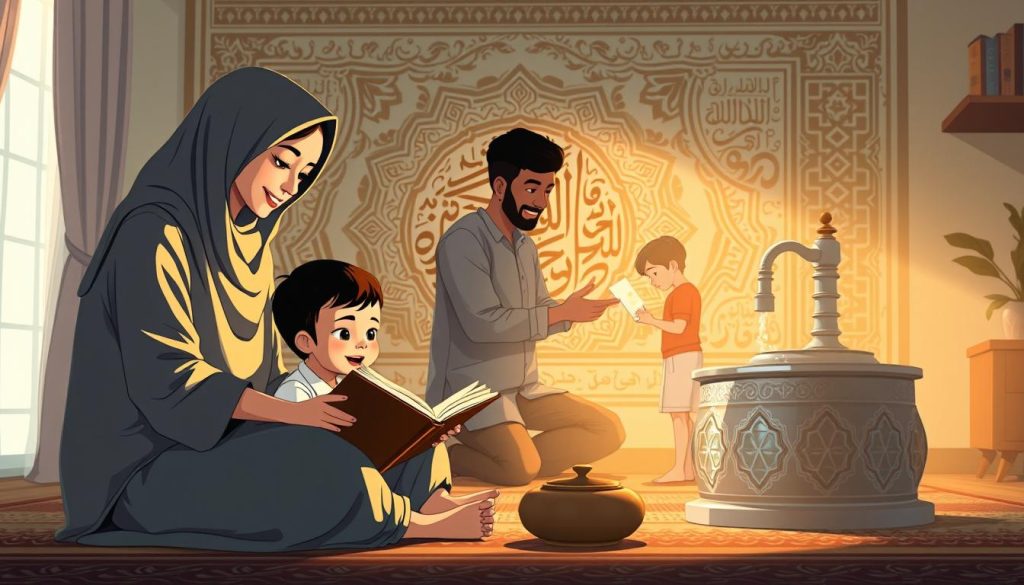
Good manners are where hadith stories for kids become daily habits. In Islam, good manners are very important. Parents can use Hadith to teach their kids important life skills. We will look at how Islamic teachings help teach children good manners.
Hadith on Manners for Children
The Prophet ﷺ taught simple rules for greeting others: “The young should greet the old, the passer by should greet the sitting one, and the small group of persons should greet the large group of persons” (Sahih al-Bukhari 6231).
This teaches children to respect their elders and to be the first to offer a greeting.
Ways to Reinforce Good Behaviour
It’s important to reinforce good behaviour in kids. We can do this by:
- Praising them for good manners like saying “please” and “thank you.”
- Being a good example ourselves, as kids often copy what we do.
- Creating chances for them to practice good manners, like during meals or when meeting others.
Manners Role-Playing Activities
Role-playing is a fun way to teach kids good manners. Some activities include:
- Acting out social scenarios, like greeting a guest or sharing with others.
- Playing “Manners Charades” where kids act out good manners, like holding the door or using table manners.
- Starting a “Manners Challenge” where kids show good manners in different situations.
Conclusion: The Lasting Impact of Hadith on Children
We’ve looked at many Islamic hadith stories for kids. These stories teach important Moral Lessons for Kids. They help children learn strong moral values and follow a righteous path.
Key Takeaways
The Hadith stories we shared teach values like kindness, patience, and honesty. They also talk about charity, respect, forgiveness, and gratitude. These lessons are key in shaping a child’s character and behaviour.
Continuing the Journey
Resources for Further Learning
If you want more Islamic Stories for Children, check out authentic Hadith collections and Islamic educational resources. These will help reinforce the Moral Lessons for Kids. They offer a full understanding of Islamic teachings.
Keep a Reminder of Gratitude at Home
Gratitude is one of the easiest lessons from hadith stories for kids to keep in view. Alhamdulillah means “All praise belongs to Allah”.

Explore Alhamdulillah Luxury Islamic Wall Art, an instant digital download supplied as a high-resolution JPEG file for printing at home or at a local print shop; no physical item is shipped. Custom designs can be requested.
FAQ
What is the significance of teaching Islamic Hadith stories to children?
Teaching Islamic Hadith stories to children is important. It helps them learn Islamic values and moral lessons. This shapes their character and guides them towards a virtuous life. Authentic hadith stories for kids give lessons children can trust.
How can I make Islamic Hadith stories engaging for my child?
To make Islamic Hadith stories engaging, use storytelling techniques. Add visuals and relate the stories to their daily life. This makes the lessons more accessible and interesting. Short hadith stories for kids work best at bedtime or mealtimes.
What are some practical ways to teach kindness to children using Hadith?
To teach kindness, share stories of Prophet Muhammad’s kindness. Engage in acts of charity together. Encourage children to be kind to others, reflecting Hadith values. Kindness is a good first theme for hadith stories for kids.
How can I encourage honesty in my child using Islamic teachings?
Encourage honesty by sharing Hadith stories on its importance. Discuss the consequences of dishonesty. Play honesty-themed games to promote truthfulness. Sahih al-Bukhari 6094 is a short, memorable hadith on truthfulness.
What are some fun activities to teach children about charity and generosity?
Teach charity and generosity through fun activities. Organise charity drives and make donations together. Volunteer as a family to show the value of giving, as taught in Hadith. A family sadaqah jar makes the lesson visible.
How can I help my child develop patience using Hadith stories?
Share stories of patience from prophets’ lives. Discuss how to apply patience in daily life. Play waiting games to foster patience. Sahih Muslim 2999 is a helpful hadith on patience to learn together.
What are some ways to promote respect in children according to Islamic teachings?
Promote respect by sharing Hadith on respecting parents and elders. Engage in craft projects that teach respect. Model respectful behaviour to create a culture of respect at home. Sahih al-Bukhari 5971 is a simple hadith about mothers to share.
How can I encourage my child to practice forgiveness using Islamic values?
Encourage forgiveness by sharing forgiveness stories from Hadith. Discuss the importance of letting go. Engage in activities that promote forgiveness, like role-playing scenarios. Qur’an 12:92 shows Prophet Yusuf forgiving his brothers.
What are some daily practices to cultivate gratitude in children?
Cultivate gratitude by sharing gratitude stories from Hadith. Keep a gratitude journal. Engage in daily or weekly gratitude activities, like sharing things one is thankful for at mealtimes. Hadith stories for kids about gratitude pair well with a daily thank-you habit.
How can I use Hadith to teach my child about the importance of good manners?
Teach good manners by sharing Hadith related to manners. Reinforce good behaviour with positive reinforcement. Engage in role-playing activities that practice good manners, like saying “please” and “thank you”. Practising greetings from Sahih al-Bukhari 6231 is a good start.