The miracles in the Quran are some of the most memorable passages in the whole of Islamic scripture: fire that does not burn, a sea that parts, a prophet who calls out to Allah from the darkness inside a great fish. This guide explains what a miracle means in Islam, walks through 12 signs the Quran describes, and draws out the lessons they still hold for everyday life. It is written for Muslims and non-Muslims alike, so Arabic terms are explained as we go.
What Is a Miracle in Islam?
In Arabic, a miracle performed through a prophet is called a mu’jizah (مُعْجِزَة), from a root meaning “to render incapable”: it is something no one else can reproduce. The Quran itself usually calls these events ayat (آيَات), meaning “signs”, because their purpose is to point people towards Allah.
A key principle is that prophets never performed miracles by their own power. The Quran states: “And it was not for a messenger to come with a sign except by permission of Allah.” (Quran 13:38, Saheeh International). Every one of the miracles in the Quran is therefore a sign of Allah’s power, shown through a chosen human messenger.
12 Miracles in the Quran Given to the Prophets
The list below covers the miracles in the Quran that are most often discussed, in roughly chronological order. Each entry links to the verses so you can read the full passage and its context on Quran.com.
1. Nuh (Noah) and the Ark
Nuh called his people to worship Allah alone for many years. Allah instructed him to build the Ark, and when the flood came, those who believed were carried to safety (Quran 11:37–44). The story teaches perseverance in calling to the truth, even when few people respond.
2. Ibrahim (Abraham) and the Fire
When Ibrahim’s people threw him into a fire for rejecting their idols, Allah said: “O fire, be coolness and safety upon Abraham.” (Quran 21:69, Saheeh International). It is one of the clearest examples of tawakkul, complete trust in Allah.

3. Salih and the She-Camel
The people of Thamud demanded a sign from Prophet Salih, and a she-camel was sent to them as a clear sign from Allah, with a warning not to harm her (Quran 7:73). They killed her, and the consequences followed. The account is a reminder that a sign brings responsibility as well as proof.
4. Musa (Moses): The Staff and the Shining Hand
At Mount Tur, Allah told Musa to throw down his staff, and it became a moving snake; when he drew out his hand, it came out white and shining without any illness (Quran 20:17–23). These were the signs he later showed Pharaoh. Read more in our story of Prophet Musa.
5. Musa and the Parting of the Sea
Trapped between Pharaoh’s army and the sea, Musa was commanded to strike the sea with his staff, and it parted so that the Children of Israel could cross (Quran 26:61–66). Before the sea parted, Musa said, “Indeed, with me is my Lord”, showing certainty in Allah when there seemed to be no way out.
6. Water from the Rock
In the wilderness, Musa asked Allah for water for his people. He was told to strike a rock with his staff, and twelve springs gushed out, one for each tribe (Quran 2:60).
7. Dawud (David): Iron Made Soft
Allah gave Dawud a special bounty: the mountains and birds joined him in glorifying Allah, and iron was made soft for him so that he could make coats of armour (Quran 34:10–11).
8. Sulayman (Solomon) and the Speech of Creatures
Sulayman was taught the language of birds and heard an ant warning its colony to shelter (Quran 27:16–19). His response was not pride but a prayer of gratitude, asking Allah to help him be thankful for His favours.
9. Yunus (Jonah) in the Belly of the Fish
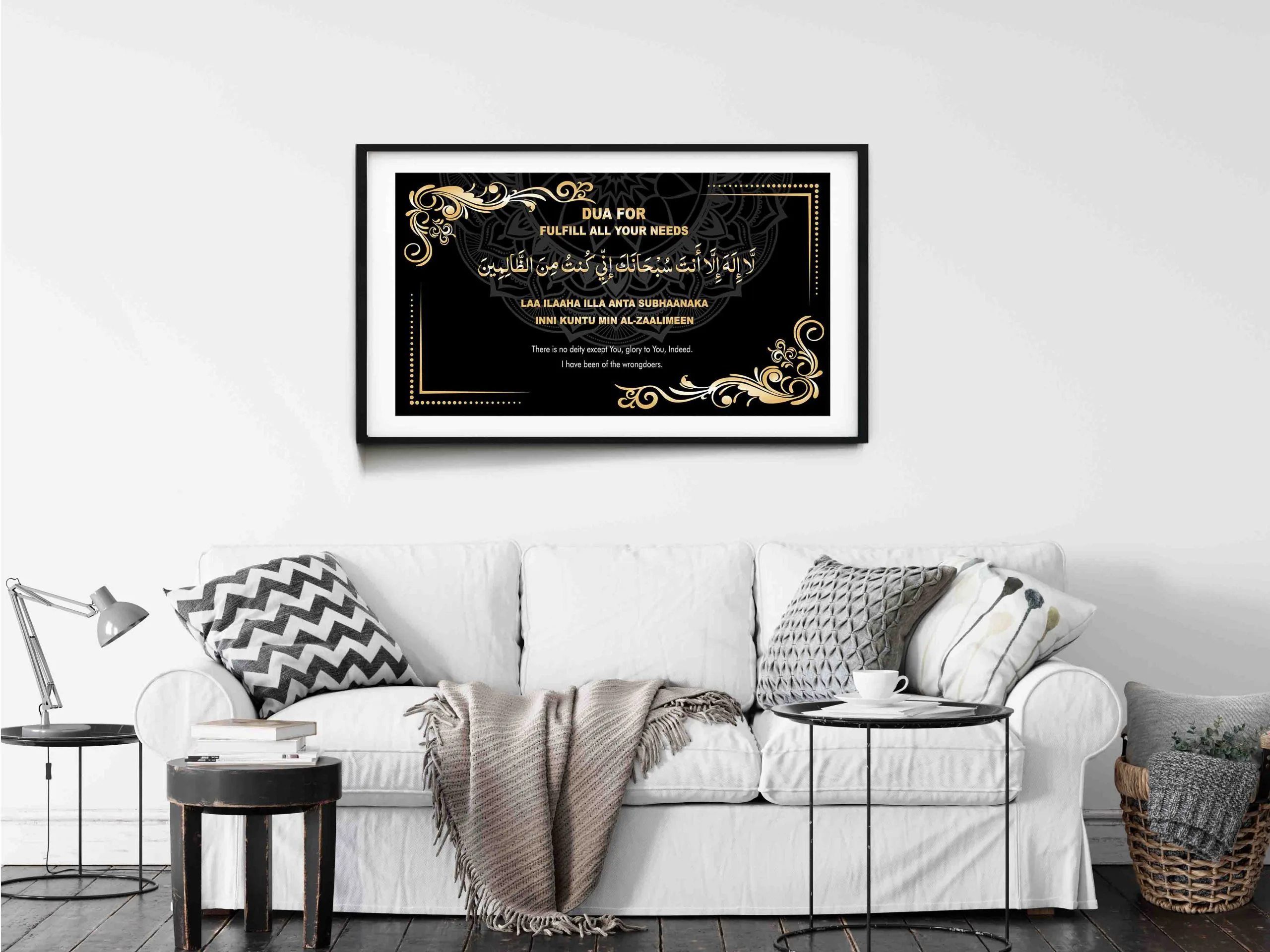
After leaving his people, Yunus was swallowed by a great fish. In the darkness he called out: “There is no deity except You; exalted are You. Indeed, I have been of the wrongdoers.” (Quran 21:87, Saheeh International). Allah answered him and saved him from his distress (21:88). This supplication is one of the most loved duas in Islam.
10. Ayyub (Job): Healing After Patience
Ayyub endured long illness and loss without turning away from Allah. When he called upon his Lord, he was told to strike the ground with his foot, and a spring appeared for washing and drinking, bringing healing (Quran 38:41–44). The Quran describes him as patient, which is why his story is closely linked to sabr.

11. Isa (Jesus): Signs by Allah's Permission
Isa spoke as an infant in the cradle to defend his mother Maryam (Quran 19:29–33). He also shaped a bird from clay which, in the words of the Quran, “becomes a bird by permission of Allah”, and he healed the blind and the leper and gave life to the dead, each time by Allah’s permission (Quran 3:49, Saheeh International). The repeated phrase is important: the miracles point to Allah, not to Isa himself.
12. Muhammad ﷺ: The Quran Itself
The Prophet Muhammad ﷺ said that every prophet was given miracles because of which people believed, and that what he himself had been given was the revelation Allah revealed to him (Sahih al-Bukhari 4981). The Quran challenges anyone in doubt to produce a single chapter like it (Quran 2:23). The Quran also mentions the splitting of the moon (“The Hour has come near, and the moon has split [in two].” Quran 54:1, Saheeh International) and the Night Journey from Makkah to Jerusalem (Quran 17:1).
What the Miracles in the Quran Teach Us Today
Most of us will never see a sea part, but the lessons of these stories apply every day:
- Trust in Allah (tawakkul): Ibrahim in the fire and Musa at the sea show that no situation is beyond Allah’s help.
- Patience (sabr): Ayyub shows that hardship borne with faith is followed by relief.
- Turning back to Allah: Yunus shows that sincere repentance is answered, even from the darkest place.
- Gratitude (shukr): Sulayman responds to great blessings by asking to be thankful, not by boasting.
For more stories of the prophets, read Miracles of the Prophets: Inspiring Stories of Faith, Adam, the First Prophet and the life of Prophet Muhammad ﷺ.
Keeping These Reminders in Your Home
Many families like to keep a verse or dua connected to these stories on the wall as a daily reminder. Our Dua of Yunus (La Ilaha Illa Anta) design and our digital products collection are digital downloads supplied as high-resolution JPEG files for printing at home or at a local print shop; no physical item is shipped. Custom designs can be requested if you would like a particular verse or name.
Frequently Asked Questions
How many miracles are there in the Quran?
There is no single official count. The Quran describes many signs given to different prophets, and scholars group and count them in different ways. The 12 above are among the most widely known.
What is the greatest miracle in the Quran?
Muslims regard the Quran itself as the greatest and lasting miracle given to the Prophet Muhammad ﷺ, because it remains available for anyone to read and reflect on today.
Did the prophets perform miracles by their own power?
No. The Quran is clear that a messenger could only bring a sign by Allah’s permission (Quran 13:38). The miracles in the Quran are signs of Allah’s power, not of the prophets’ own abilities.