What is the fourth pillar of Islam? It is Sawm, fasting during the month of Ramadan. From dawn until sunset each day of the month, adult Muslims who are able refrain from food, drink and marital relations, and try hard to avoid bad speech and behaviour.
“O you who have believed, decreed upon you is fasting as it was decreed upon those before you that you may become righteous -”
— Qur’an 2:183, Saheeh International (quran.com)
This guide explains when and how Muslims fast, who is exempt, and why the fourth pillar of Islam holds such a special place in the year.
What Sawm Means
The fourth pillar of Islam is called Sawm. Sawm (also siyam) literally means “to abstain”. In Islam it means abstaining from food, drink and marital relations from true dawn (the time of the Fajr prayer) until sunset (the time of the Maghrib prayer), with the intention of fasting for Allah.
Why Ramadan?
Ramadan is the ninth month of the Islamic lunar calendar, and the month in which the Qur’an was first revealed:
“The month of Ramaḍān [is that] in which was revealed the Qur’ān, a guidance for the people and clear proofs of guidance and criterion. So whoever sights [the crescent of] the month, let him fast it; and whoever is ill or on a journey – then an equal number of other days. Allāh intends for you ease and does not intend for you hardship…”
— Qur’an 2:185, Saheeh International (quran.com)
Because the Islamic calendar is lunar, Ramadan moves about 10 to 11 days earlier each year in the Gregorian calendar, and lasts 29 or 30 days.
A Day of Fasting
A typical day of the fourth pillar of Islam follows a simple rhythm:
- Suhur: a pre-dawn meal eaten before the Fajr time begins.
- The fast: no food or drink from dawn to sunset, alongside extra effort in prayer, Qur’an reading and good character.
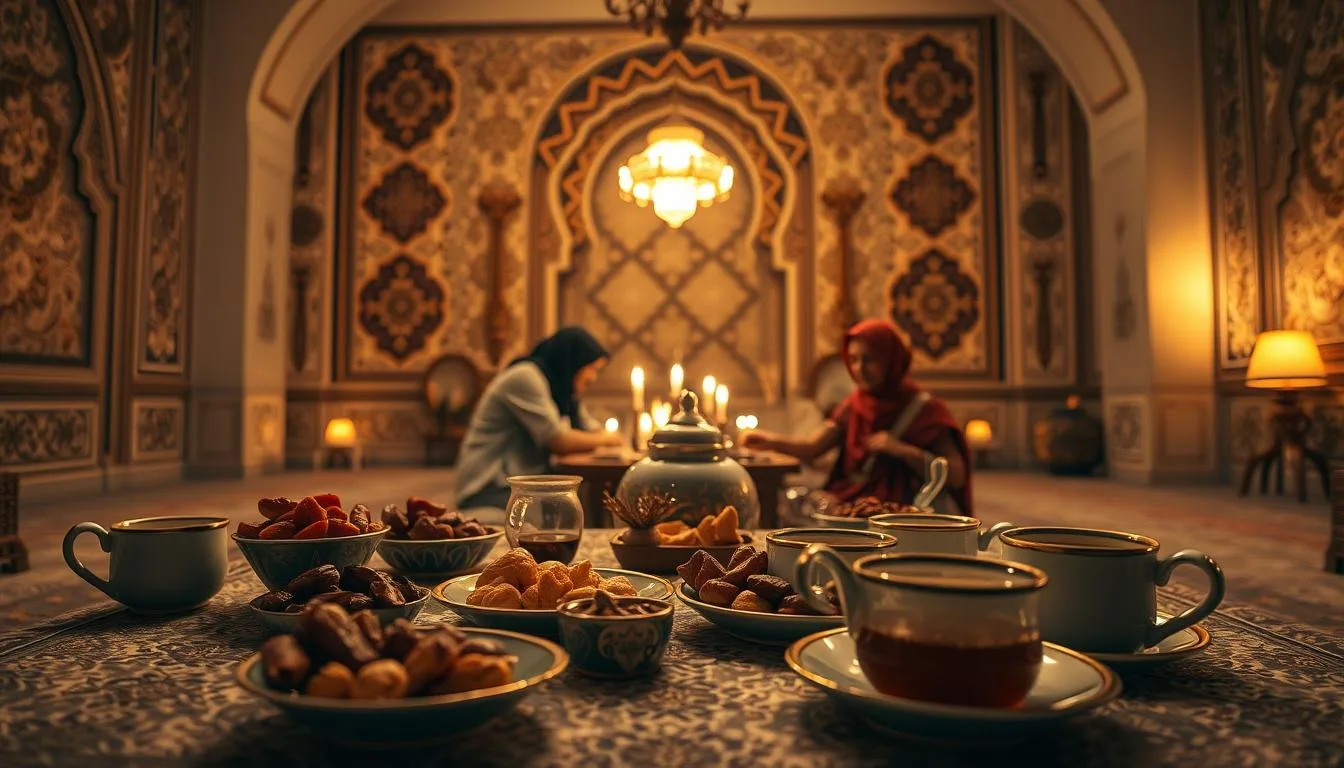
- Iftar: breaking the fast at sunset, traditionally with dates and water, followed by the Maghrib prayer.
- Taraweeh: optional night prayers in Ramadan, often prayed in congregation at the mosque.
Who Is Exempt from Fasting
Islam makes the fourth pillar of Islam achievable and never harmful. People who are not required to fast, or who may postpone it, include:
- children who have not reached puberty;
- people who are ill, and travellers, who make up the days later (Qur’an 2:185);
- women who are menstruating or experiencing post-natal bleeding, who make up the days later;
- pregnant or breastfeeding women who fear for themselves or their child;
- elderly people and those with long-term illness who cannot fast, who may instead feed a poor person for each day (Qur’an 2:184).
Scholars differ on some details, so it is best to ask a qualified scholar about your own situation, and to follow medical advice.
The Reward of Fasting
The Prophet ﷺ said:
“Whoever observes fasts during the month of Ramadan out of sincere faith, and hoping to attain Allah’s rewards, then all his past sins will be forgiven.”
Fasting teaches self-control, gratitude for everyday blessings and empathy for people who go hungry. Many Muslims describe Ramadan, the season of the fourth pillar of Islam, as a yearly reset for the heart.

The End of Ramadan: Zakat al-Fitr and Eid
Before the Eid prayer, each Muslim household pays Zakat al-Fitr, a small charity that helps people in need celebrate too. Ramadan ends with Eid al-Fitr, a day of prayer, gratitude and family.
Learn more about charity in the third pillar of Islam, or see all five in our guide to the Five Pillars of Islam.
Frequently Asked Questions
What is the fourth pillar of Islam?
The fourth pillar of Islam is Sawm, fasting during the month of Ramadan.
Is it the fourth or the fifth pillar?
Fasting is usually listed fourth, after Shahada, Salah and Zakah. In one well-known narration (Sahih al-Bukhari 8), Hajj is mentioned before fasting. The order of listing does not change the obligation.
Do children have to fast?
No. Fasting becomes obligatory at puberty, although many children practise with short or partial fasts.
A Ramadan Reminder at Home
Ramadan is a month of remembrance. SubhanAllah (often translated “Glory be to Allah”) is one of the simplest words of dhikr to keep in view.
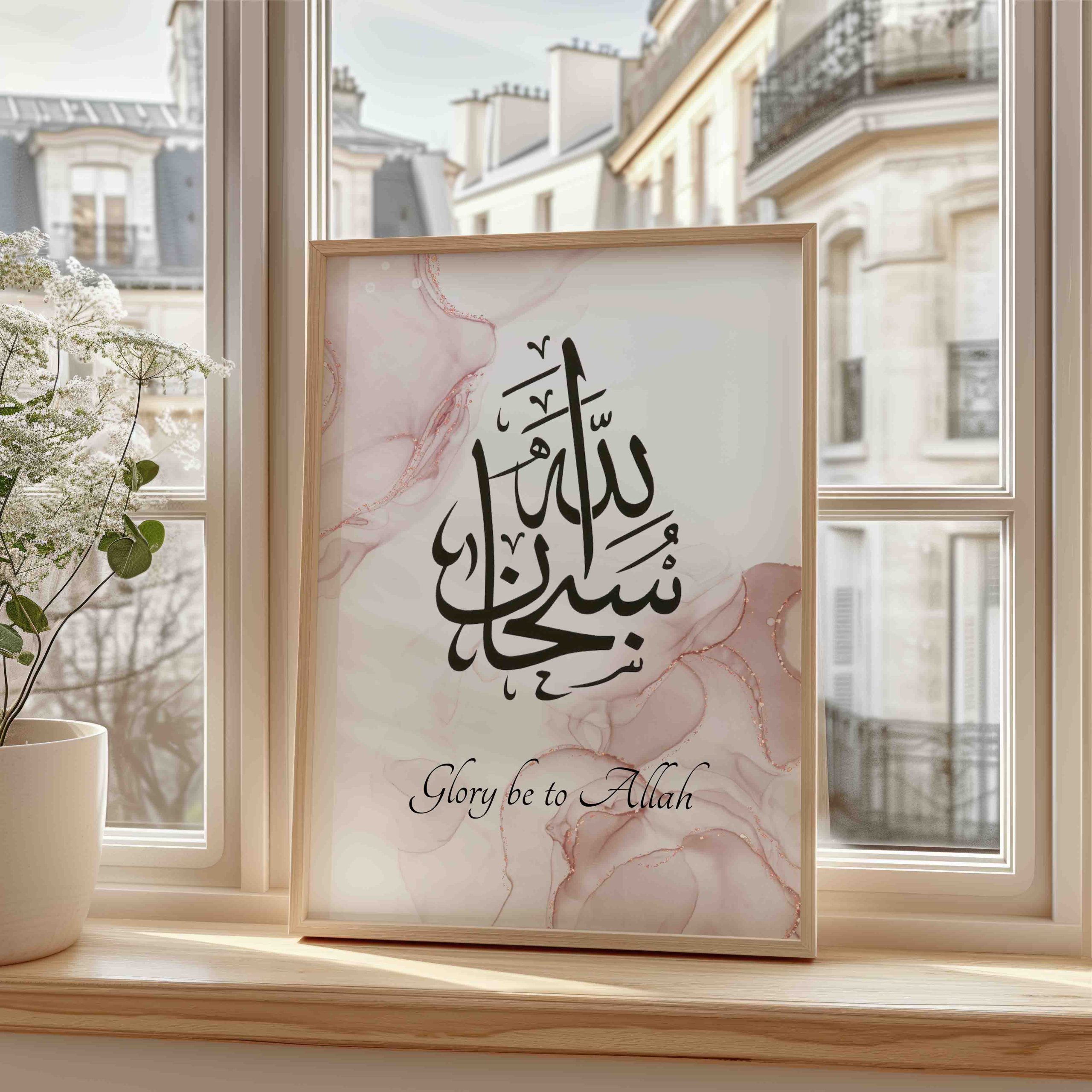
Explore SubhanAllah Luxury Islamic Wall Art, an instant digital download supplied as a high-resolution JPEG file for printing at home or at a local print shop; no physical item is shipped. Custom designs can be requested.