
Digital downloads and physical products are clearly identified. Product, delivery and payment details are shown before order confirmation.

Reviewed reflections appear only after source and reviewer approval.
Teachings of Islam

Third Pillar of Islam: Zakah, a Beautiful Duty for 8 Groups

The third pillar of Islam is Zakah. Learn who pays it, the nisab, the 2.5% rate, the eight groups who receive it, Zakat al-Fitr and how it differs from sadaqah.

What is the third pillar of Islam? It is Zakah (often spelt zakat), the obligatory annual charity paid by Muslims whose wealth reaches a set minimum. The Qur’an mentions it again and again alongside prayer:

“And establish prayer and give zakāh and bow with those who bow [in worship and obedience].”

— Qur’an 2:43, Saheeh International (quran.com)

This guide explains what the third pillar of Islam means, who pays it, how it is calculated, who receives it, and how it differs from voluntary charity.

What Zakah Means

The Arabic word zakah is linked to ideas of purification and growth. Muslims understand that giving part of their wealth purifies what remains and purifies the heart from greed. It is a reminder that wealth is a trust from Allah, and that people in need have a right to a share of it.

Who Must Pay Zakah

The third pillar of Islam applies only to those with enough wealth. Zakah is due from an adult Muslim when:

  • their qualifying wealth is at or above the nisab, a minimum threshold based on the value of gold or silver;
  • that wealth has been held for a full lunar year, called the hawl;
  • it is beyond basic personal needs such as the home you live in and everyday belongings.

Scholars commonly give the nisab as the value of about 85 grams of gold or about 595 grams of silver. Because gold and silver prices change, and because scholars differ on some details, many people use a reputable zakah calculator or ask a qualified scholar.

How Zakah Is Calculated

For cash, savings, gold, silver and business stock, the rate is generally 2.5% (one-fortieth) of the qualifying total. For example, if your qualifying wealth is £10,000 and it has stayed above the nisab for a lunar year, your zakah would be £250.

Other assets, such as crops and livestock, have their own rules. Debts you owe may also affect the amount, and scholars differ on how.

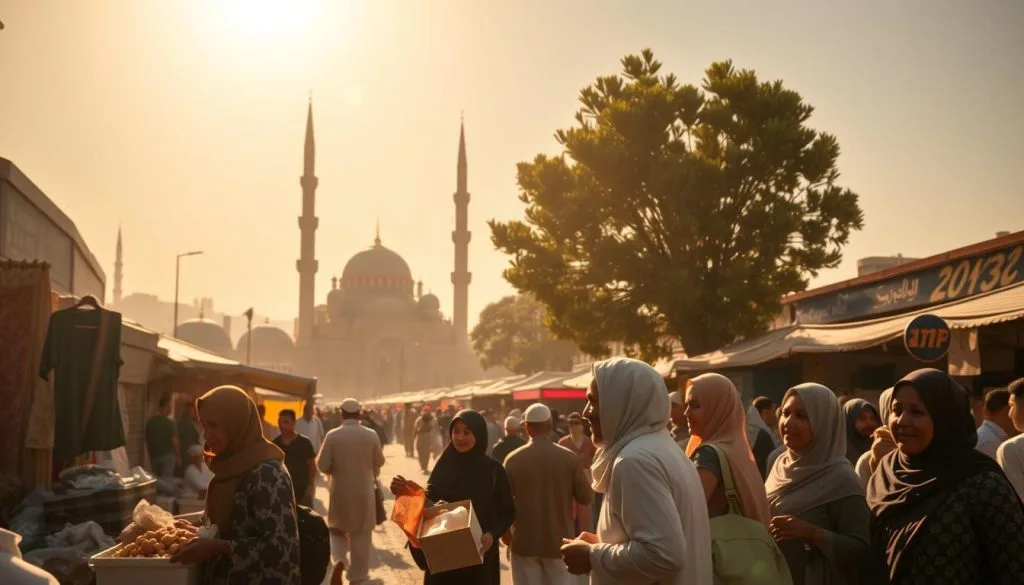
Third pillar of Islam: a busy community gathering where zakah reaches people in need

Who Receives Zakah

The third pillar of Islam also sets out exactly who may receive it. The Qur’an names eight categories:

“Zakāh expenditures are only for the poor and for the needy and for those employed for it and for bringing hearts together [for Islām] and for freeing captives [or slaves] and for those in debt and for the cause of Allāh and for the [stranded] traveler – an obligation [imposed] by Allāh. And Allāh is Knowing and Wise.”

— Qur’an 9:60, Saheeh International (quran.com)

Many Muslims give through registered charities that distribute zakah to eligible recipients; others give directly to people they know to be in need.

Zakat al-Fitr: The Charity of Eid

Zakat al-Fitr is a separate, smaller obligation paid at the end of Ramadan, before the Eid prayer, usually as a set amount of staple food or its equivalent. Ibn Abbas reported:

“The Messenger of Allah (ﷺ) prescribed the sadaqah (alms) relating to the breaking of the fast as a purification of the fasting from empty and obscene talk and as food for the poor.”

— Sunan Abi Dawud 1609, graded Hasan by Al-Albani on sunnah.com
Third pillar of Islam: food charity given during Ramadan

Zakah and Sadaqah: What Is the Difference?

ZakahSadaqah
ObligationRequired when conditions are metVoluntary
AmountSet rates, generally 2.5% of qualifying wealthAny amount
TimingOnce a lunar yearAny time
RecipientsThe eight categories in Qur’an 9:60Anyone in need and good causes

Sadaqah can be as simple as a kind act. Zakah is the fixed duty that makes up the third pillar of Islam.

Third pillar of Islam: giving charity in a mosque garden

Why the Third Pillar of Islam Matters

Zakah turns faith into care for others. It trains generosity, loosens the hold of wealth on the heart, and makes sure that people in need are supported by their community year after year.

See how zakah fits with the other pillars in our guide to the Five Pillars of Islam, or read about the second pillar of Islam.

Frequently Asked Questions

What is the third pillar of Islam?

The third pillar of Islam is Zakah, the obligatory annual charity.

How much is zakah?

On cash, savings, gold, silver and trade goods it is generally 2.5% of qualifying wealth held for a lunar year above the nisab.

Is zakah the same as Zakat al-Fitr?

No. Zakah is paid on wealth once a year; Zakat al-Fitr is a smaller charity paid per person at the end of Ramadan.

A Reminder of Gratitude

Zakah begins with recognising that everything we have comes from Allah. Alhamdulillah (“All praise belongs to Allah”) is a simple way to keep that gratitude in view.
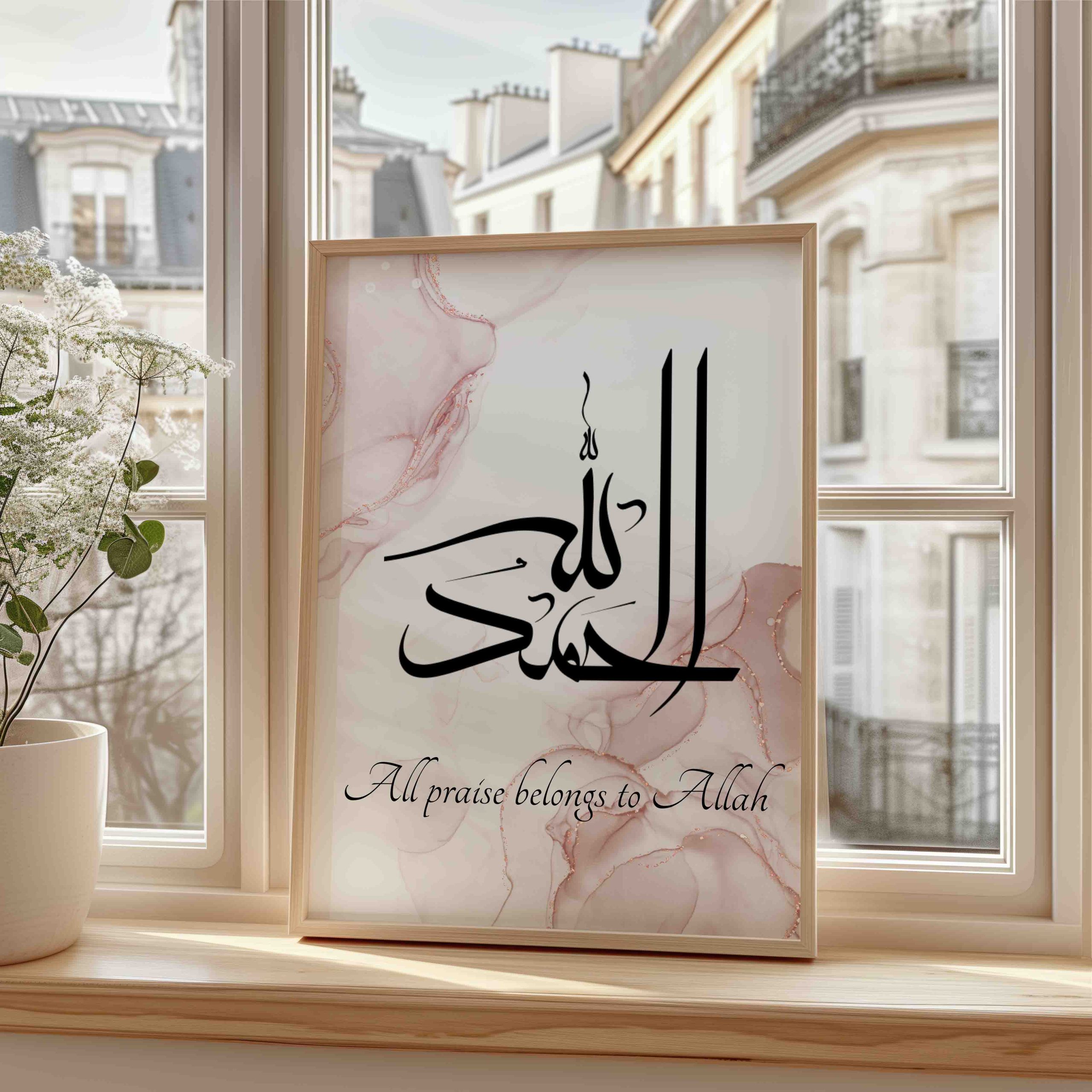
Alhamdulillah Islamic Office Decor wall art
Alhamdulillah Islamic Office Decor (JPEG file; frame not included).

Explore Alhamdulillah Islamic Office Decor, an instant digital download supplied as a high-resolution JPEG file for printing at home or at a local print shop; no physical item is shipped. Custom designs can be requested.


Leave a Reply